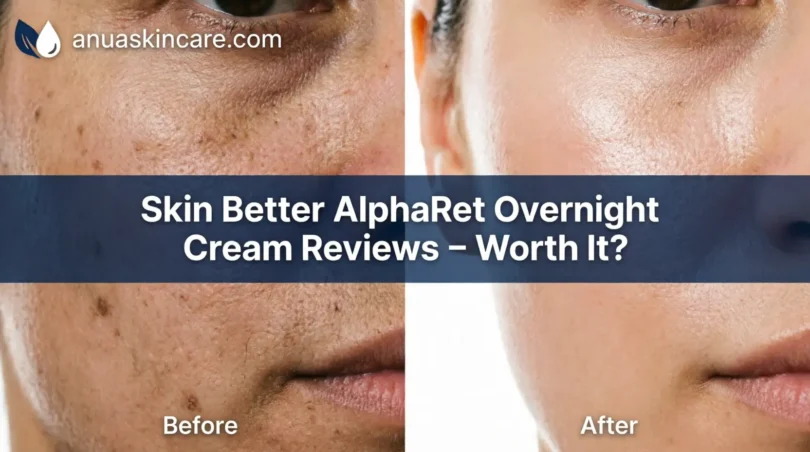

Introduction
If you’ve spent any time researching medical-grade retinoids, the skin better science AlphaRet Overnight Cream has almost certainly crossed your radar. It’s one of the most talked-about products in physician-dispensed skincare — not because of flashy marketing, but because of the science behind it and the results people keep reporting.
After years of working with clients across every skin type imaginable, I’ve seen enough retinoid products come and go to know what separates a genuinely innovative formula from clever packaging. This review digs into the ingredients, the clinical data, real user experiences, who this cream actually works for, and whether it’s worth the investment.
What Is skinbetter AlphaRet Overnight Cream?
skin better science is a physician-dispensed skincare brand founded in 2016. Their flagship innovation is AlphaRet Technology — a patented system that bonds a retinoid with an alpha hydroxy acid (AHA) at the molecular level. The AlphaRet Overnight Cream is the product that put this technology on the map, and it’s now been clinically proven over a decade of real-world use.
The brand sits in the medical-grade category, meaning you typically need to purchase through a licensed provider, dermatologist, or authorized medical spa. This isn’t just gatekeeping — it reflects how seriously skin better positions its formulations relative to standard over-the-counter retinols.
The Science Behind AlphaRet Technology

Most discussions of this product jump straight to the ingredient list. But to truly evaluate skinbetter AlphaRet overnight cream reviews, you need to understand the mechanism that makes it different.
What Makes Ethyl Lactyl Retinoate Unique
Traditional retinoids and AHAs have a well-known problem: they don’t play well together. Mixing retinol with glycolic acid at the wrong pH can destabilize both ingredients and ramp up irritation. Formulators have spent decades trying to solve this.
skinbetter’s answer was to chemically conjugate a retinoid (ethyl ester of retinoic acid) directly to lactic acid, creating ethyl lactyl retinoate — a single molecule that carries both actives into the skin simultaneously. When applied, it slowly converts to retinoic acid and lactic acid through enzymatic activity in the skin. This controlled-release mechanism is why AlphaRet delivers retinoid benefits without the classic purge period that sends most people running from tretinoin.
Why the Glycolic Acid Positioning Matters
One thing that surprises new users: glycolic acid appears as the third ingredient in the formula, while ethyl lactyl retinoate shows up at position 17. This isn’t an accident and it doesn’t mean the retinoid is a token ingredient. Glycolic acid is water-soluble and requires a higher concentration to maintain the acidic pH needed for exfoliation. The AlphaRet molecule, being fat-soluble, is active at much lower concentrations. Ingredient position tells you about formulation chemistry — not necessarily potency or effectiveness.
The glycolic acid at approximately 10% concentration works in two ways: it provides direct exfoliation and helps the skin’s surface stay receptive to the AlphaRet molecule working deeper in the dermis.
Full Ingredient Breakdown
Aqua/Water, Sodium Glycolate, Glycolic Acid, Cetearyl Olivate, Pentylene Glycol, Cyclopentasiloxane, Isohexadecane, Sorbitan Olivate, Tetrahexyldecyl Ascorbate, Glycerin, Ceresin, Glycol Palmitate, Butylene Glycol, Niacinamide, Squalane, Methyl Gluceth-20, Ethyl Lactyl Retinoate, Palmitoyl Tripeptide-1, Palmitoyl Tetrapeptide-7, Ceramide NP, Hyaluronic Acid, Ubiquinone (CoQ10), Tocopherol, Bisabolol, Tocopheryl Acetate, Superoxide Dismutase, Shea Butter, Allantoin Glycyrrhetinic Acid, Sodium PCA, Panthenol, Camellia Sinensis Leaf Extract, Portulaca Oleracea Extract, Linoleic Acid, Cholesterol, Linolenic Acid.
Key Functional Groups at a Glance
Retinoid Complex
- Ethyl Lactyl Retinoate — the patented double-conjugated retinoid that converts to retinoic acid and lactic acid on skin
Exfoliation
- Glycolic Acid (~10%) — smallest AHA molecule, deepest surface penetration for cell turnover
- Sodium Glycolate — the salt form of glycolic acid, contributing to the exfoliant complex
Antioxidants
- Tetrahexyldecyl Ascorbate (stable Vitamin C ester)
- Tocopherol and Tocopheryl Acetate (Vitamin E)
- Ubiquinone (CoEnzyme Q10)
- Superoxide Dismutase — an enzyme-based antioxidant rarely seen in over-the-counter products
Peptides
- Palmitoyl Tripeptide-1 and Palmitoyl Tetrapeptide-7 — the Matrixyl 3000 complex, clinically studied for collagen stimulation and wrinkle reduction
Barrier Support and Hydration
- Ceramide NP
- Hyaluronic Acid
- Squalane
- Shea Butter
- Cholesterol and Linoleic Acid — essential fatty acids for membrane integrity
Calming and Anti-Redness
- Bisabolol (from chamomile)
- Allantoin Glycyrrhetinic Acid
- Camellia Sinensis Leaf Extract (green tea)
- Portulaca Oleracea Extract
Skin Conditioning
- Panthenol (Vitamin B5)
- Niacinamide (Vitamin B3) — barrier repair, pore minimizing, anti-inflammatory
What stands out here is the layered anti-irritation system. This isn’t just a retinoid cream with some moisturizer thrown in — it’s a full anti-aging treatment with ceramides, peptides, multiple antioxidants, and four separate calming agents working to offset any potential sensitivity.
AlphaRet Overnight Cream vs Intensive AlphaRet: Which One Do You Need?
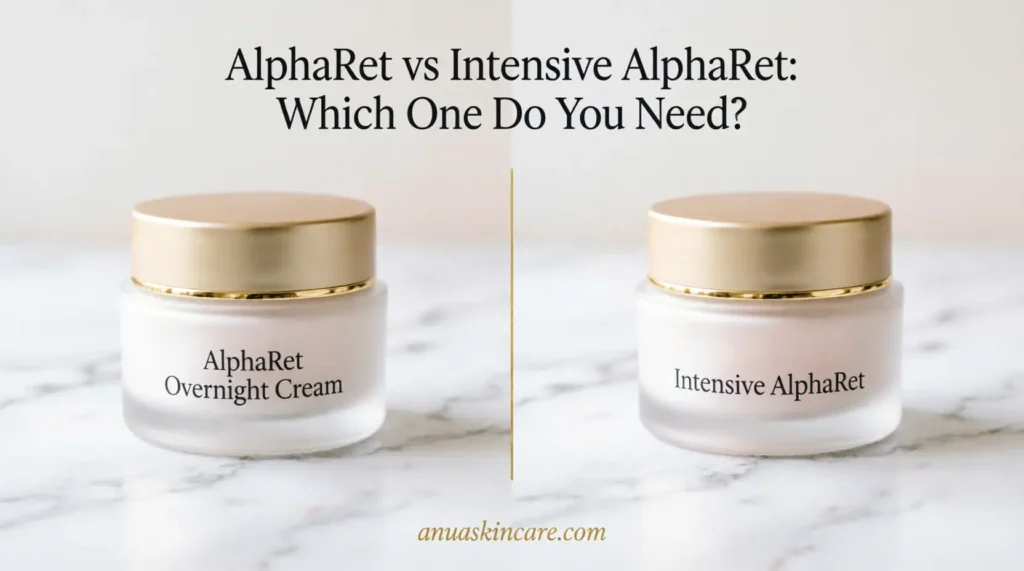
One of the most common points of confusion when reading skin better alpharet overnight cream reviews is understanding the difference between the two versions.
| Feature | AlphaRet Overnight Cream | Intensive AlphaRet Overnight Cream |
|---|---|---|
| Glycolic Acid Concentration | ~10% | ~18% |
| AlphaRet (Ethyl Lactyl Retinoate) | Standard dose | Higher concentration |
| Peptide Complex | Matrixyl 3000 | Matrixyl 3000 |
| Antioxidant System | Vitamins C, E, CoQ10 | Vitamins C, E, CoQ10 |
| Barrier Support | Ceramides, Squalane, HA | Ceramides, Squalane, HA |
| Best For | Retinoid beginners, sensitive skin | Retinoid-experienced users, thicker skin, deeper wrinkles |
| Ideal Starting Point | Yes | After 1-2 bottles of regular AlphaRet |
| Price (30ml) | ~$140 | ~$140 |
The regular formula is designed for those new to retinoids or with reactive skin. The Intensive version is best approached after your skin has already tolerated and plateaued on the original — it’s not a step up in irritation so much as a step up in resurfacing power.
Clinical Data: What the Studies Actually Show
This is a section most reviews skip entirely, and it’s where skinbetter AlphaRet separates itself from most retinol products on the market.
In a 12-week clinical trial, AlphaRet Overnight Cream was compared head-to-head with 1.0% retinol and 0.025% tretinoin. The findings were significant:
- AlphaRet was the only product among the three that achieved statistically significant improvements in skin hydration at every single time point throughout the study
- AlphaRet outperformed standard retinol in visibly reducing redness and improving pore appearance at 12 weeks
- AlphaRet performed comparably to tretinoin in improving fine lines, skin tone, redness, and pigmentation
- Patients reported higher tolerability with AlphaRet compared to both the retinol and tretinoin products
To be clear: matching tretinoin in efficacy while being better tolerated is not a marketing claim. It’s the kind of result that gets the attention of dermatologists and is one reason this product is positioned as the number one dermatologist-recommended non-prescription retinoid brand among medical aesthetic skincare brands.
Real User Reviews and Experiences
Beyond the clinical data, the skin better alpharet overnight cream reviews from actual users paint a consistent picture.
What Users Love
The most repeated theme across reviews is tolerability. Many people describe switching to AlphaRet after struggling with tretinoin peeling, redness, or sensitivity that made them give up on retinoids altogether. In those cases, AlphaRet became the product that finally let them stick with a retinoid routine long enough to see real results — and consistency is where retinoid magic actually happens.
Users commonly notice improvements in skin texture within two to four weeks. Smoother skin, reduced appearance of pores, more even tone, and a brightness that wasn’t there before are the most frequently described early wins. Over continued use at three to six months, reports shift toward more dramatic changes in fine line depth and skin firmness.
One recurring observation is that the cream feels more hydrating than expected for a product with active exfoliants. Many users apply it as their sole nighttime step — no separate moisturizer needed — particularly those with normal to dry skin.
What Some Users Find Limiting
A mild stinging sensation on first application is commonly reported and generally fades within a minute or two. This is the glycolic acid making contact and is not a cause for concern for most people — it’s worth noting for those with extremely sensitive or compromised skin who may want to patch test first.
Some users, particularly those coming from tretinoin at higher concentrations (0.05% to 0.1%), feel the AlphaRet delivers gentler results than they’re accustomed to. For these individuals, the Intensive version is usually the more appropriate choice.
The price point is a valid consideration. At roughly $140 for 30ml, this sits at the higher end of non-prescription retinoids. Whether it’s worth it depends entirely on your skin goals and how much benefit you’ve been able to extract from more affordable options.
Who It Works Best For
- Retinoid beginners who want to start strong without the classic irritation period
- Skin types that have historically been too reactive for tretinoin or even standard retinol
- Anyone dealing with fine lines, uneven texture, mild pigmentation, and dullness simultaneously
- People who want a multi-tasking night cream that doesn’t require layering five other products
- Acne-prone skin that needs cellular turnover without stripping
Who Might Not Get Optimal Results
- Those already using high-strength tretinoin who are satisfied with their results
- Anyone seeking a dedicated AHA treatment rather than a retinoid-forward formula
- Very oily skin types who need a lighter texture
What Competitors Don’t Tell You About AlphaRet

Most alpharet reviews focus on the basics — ingredients, price, tolerability. But there are several dimensions that rarely get addressed.
The Ingredient Sequencing Debate
Some reviewers, including medical professionals, point out that ethyl lactyl retinoate appearing at position 17 on the ingredient list suggests it plays a secondary role to glycolic acid. This misunderstands how fat-soluble retinoid esters work. Because they are lipophilic, they are highly active at low concentrations and do not need to be listed early on the INCI list to be meaningful. The glycolic acid is doing surface exfoliation; the AlphaRet molecule is doing dermal remodeling. These are complementary roles, not competing ones.
The Pregnancy and Nursing Caveat
This rarely gets addressed in reviews: like all retinoid-containing products, AlphaRet should be discontinued during pregnancy or breastfeeding. The systemic absorption of topical retinoids is low, but the standard-of-care recommendation is avoidance. Consult your OB or dermatologist.
Sun Sensitivity Is Real and Often Underemphasized
Because the formula contains glycolic acid, sun sensitivity increases during use. Daily SPF — ideally a mineral-based broad-spectrum product — is not optional. This is especially important for those using AlphaRet nightly year-round. Skipping SPF while using any AHA product can actually worsen the pigmentation you’re trying to address.
The Congestion Phase
New retinoid users sometimes experience a brief period of congestion or minor breakouts in the first two to four weeks. This is purging — accelerated cell turnover bringing existing microcomedones to the surface faster. It’s temporary and resolves with continued use. Stopping at this stage is the most common mistake new AlphaRet users make.
How Layering Affects Results
skin better makes other products specifically designed to pair with AlphaRet — including their Alto Advanced Defense and Repair Serum for antioxidant stacking in the morning, and sun better mineral sunscreen for daytime protection. Users who combine products thoughtfully tend to report more dramatic outcomes than those using AlphaRet in isolation. This isn’t a necessity, but it is a factor worth knowing.
How to Use skin better AlphaRet Overnight Cream Correctly
Getting the application right matters more than most people realize.
- Cleanse and allow skin to fully dry before applying (applying to damp skin increases absorption and can intensify potential irritation)
- Use one pump and apply a thin, even layer across the face, avoiding the eye area and lips
- Apply after any serums but before heavier creams if you need additional moisture
- Use nightly — consistency is essential with retinoids; intermittent use slows results significantly
- Always follow with SPF in the morning, every single day
- Avoid using alongside other exfoliating acids, strong vitamin C products, or other retinoids in the same evening routine
- If you’re new to retinoids, beginning every other night for two weeks before moving to nightly use reduces the chance of irritation
The airless pump packaging skin better uses is designed to protect both the retinoid and the Vitamin C ester from oxidation. Do not store in direct sunlight or extreme heat.
AlphaRet Overnight Cream vs Common Alternatives
| Product | Key Actives | Retinoid Type | Tolerance Level | Price (approx) |
|---|---|---|---|---|
| skinbetter AlphaRet Overnight Cream | Ethyl Lactyl Retinoate + Glycolic ~10% | Novel retinoid ester | Very High | ~$140/30ml |
| Tretinoin 0.025% | Retinoic Acid | Prescription retinoid | Low-Moderate | Varies |
| Standard 1% Retinol | Retinol | OTC retinoid | Moderate | $20–$80 |
| Retinaldehyde (e.g., Avene A-Oxitive) | Retinaldehyde | One step from retinoic acid | Moderate-High | ~$40–$60 |
| SkinMedica Retinol Complex |
The key differentiator for AlphaRet in this table isn’t just its retinoid class — it’s the combination of retinoid, exfoliant, peptides, and barrier support all in one formula, with clinical head-to-head data against prescription tretinoin.
Is skin better AlphaRet Worth the Price?

This is ultimately a personal calculation, but it helps to think of it correctly. If you’re comparing AlphaRet to a $20 retinol — yes, it costs significantly more. If you’re comparing it to the total cost of a separate retinol, a glycolic serum, a peptide cream, and a barrier moisturizer purchased individually, the gap closes considerably.
The clinical data supporting AlphaRet is real and independently conducted. The tolerability profile is genuinely superior to most retinoids at comparable efficacy levels. For people who have given up on retinoids in the past due to irritation, this product often represents the most effective way back into the retinoid category — and that has real skin-aging consequences worth accounting for.
For results-driven skincare users who want a physician-grade retinoid that doesn’t demand a months-long adjustment period, it’s a defensible spend.
Frequently Asked Questions
What is the retinol percentage in skin better AlphaRet Overnight Cream?
skin better does not disclose the exact concentration of ethyl lactyl retinoate. However, AlphaRet is not retinol — it is a novel retinoid ester that converts to retinoic acid after skin absorption. Its activity cannot be directly compared to retinol percentages; it’s a different molecular category entirely.
How long before I see results from AlphaRet Overnight Cream?
Most users report improved skin texture and radiance within two to four weeks of nightly use. More significant improvements in fine lines, tone, and pore appearance typically emerge at eight to twelve weeks with consistent use
Can I use AlphaRet Overnight Cream every night?
Yes. The formula is specifically designed for nightly use. If you’re new to retinoids, beginning every other night for the first two weeks gives your skin time to adjust before moving to daily application.
Is AlphaRet safe for sensitive skin?
AlphaRet’s multi-layer calming complex — including bisabolol, allantoin glycyrrhetinic acid, green tea extract, panthenol, and ceramides — is specifically designed to accommodate reactive skin. Many users who cannot tolerate conventional retinols or tretinoin do well on AlphaRet. That said, always patch test first and consult your dermatologist if you have conditions like rosacea.
Can I use AlphaRet if I already use tretinoin?
You should not use both simultaneously in the same routine. If you’re considering switching or alternating, consult your skincare provider. AlphaRet is often recommended as an alternative to tretinoin for those who experience excessive dryness or peeling.
What’s the difference between AlphaRet and regular retinol?
Standard retinol must be converted through multiple enzymatic steps before it becomes retinoic acid. Ethyl lactyl retinoate converts more directly while simultaneously delivering lactic acid, which means it works more efficiently and with less wasted conversion than traditional retinol.
Final Thoughts
skin better AlphaRet Overnight Cream occupies a rare space in skincare — it’s a product where the science backs up what the users are saying, and where the clinical outcomes align with what you’d expect from that science. The patented AlphaRet Technology is genuinely innovative, not a marketing invention, and the decade of clinical backing gives it credibility that most retinol products simply don’t have.
What makes me confident recommending it is the consistency of the pattern: people who gave up on retinoids come to AlphaRet and finally stick with it long enough to see the skin change. That consistency matters more than any single ingredient claim. Skin transformation happens over months of nightly use — and AlphaRet is formulated in a way that makes those months not just tolerable, but genuinely pleasant. That’s not a small thing. That might actually be the whole thing.
If you’re ready to take your retinoid routine seriously without sacrificing your skin barrier to do it, this is one of the more thoughtfully engineered options available today.