
introduction
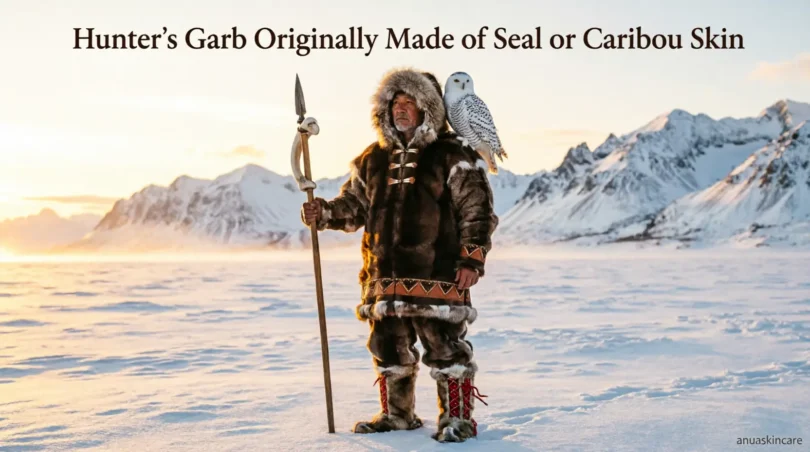
If you’ve ever thought about how people survived in extreme Arctic cold without modern jackets, heaters, or fancy gear, the answer is surprisingly simple: hunter’s garb. Hunter’s garb originally made of seal or caribou skin was specially designed to trap heat and protect against harsh winds, making survival possible in freezing conditions.
But the thing is, this wasn’t just clothing. It was their life.
Imagine temperatures so low that a normal person could freeze in minutes. And still, people lived there, hunted there, and survived. How? Just because of what they wore.
These traditional hunting garments, made from seal skin clothing and caribou skin clothing, were designed with one clear purpose. Stay warm, stay dry, and stay alive.
And honestly, even modern jackets sometimes struggle to match that level.
What is Hunter’s Garb
In simple terms, hunter’s garb is the clothing worn by indigenous hunters, especially in Arctic regions.
But here’s the important part.
These clothes were not made for fashion. They were built for survival.
Their main purpose was:
- Protection from freezing winds
- Keeping body heat locked inside
- Allowing easy movement for hunting
I’ve seen people wear winter jackets and say they’re super warm. But those are made for city environments. These garments were designed for extreme conditions.
And the most interesting thing is, all of this was made without machines.
History of Traditional Hunting Clothing
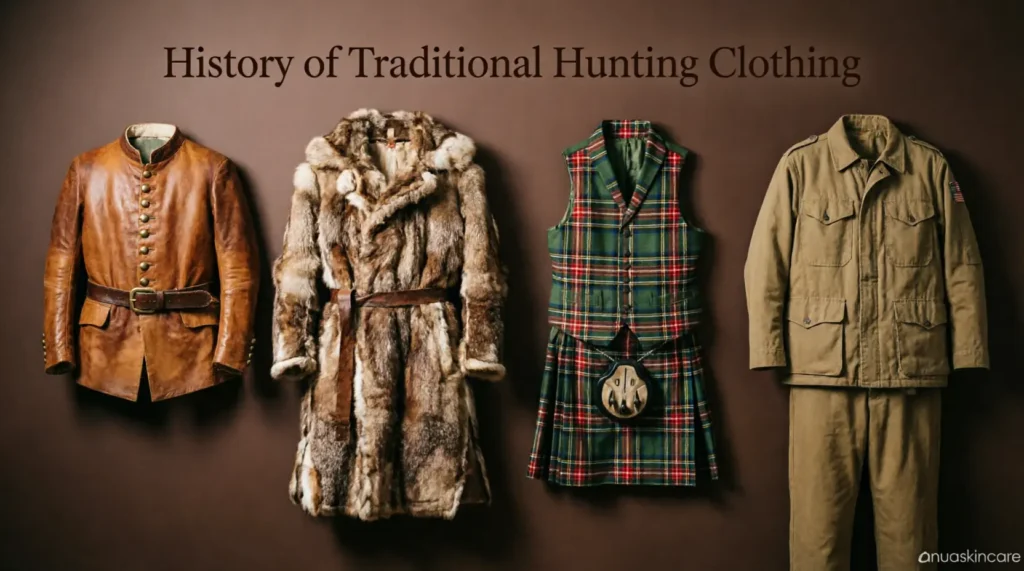
If we go back in time, thousands of years ago, people didn’t have synthetic fabrics.
No polyester. No nylon. Nothing like that.
So what did they do?
They used nature.
- Animal skins
- Fur layers
- Natural insulation
Over time, they figured out which materials worked best in different conditions.
People living in Arctic regions developed advanced arctic survival clothing. And this didn’t happen overnight.
It took generations of learning.
Trial and error.
The thing is, they didn’t just use animals. They understood them.
Like:
- Which fur is warmer
- Which material is waterproof
- Which one is flexible
And then they designed clothing based on that knowledge.
Why Seal Skin Clothing Was Used
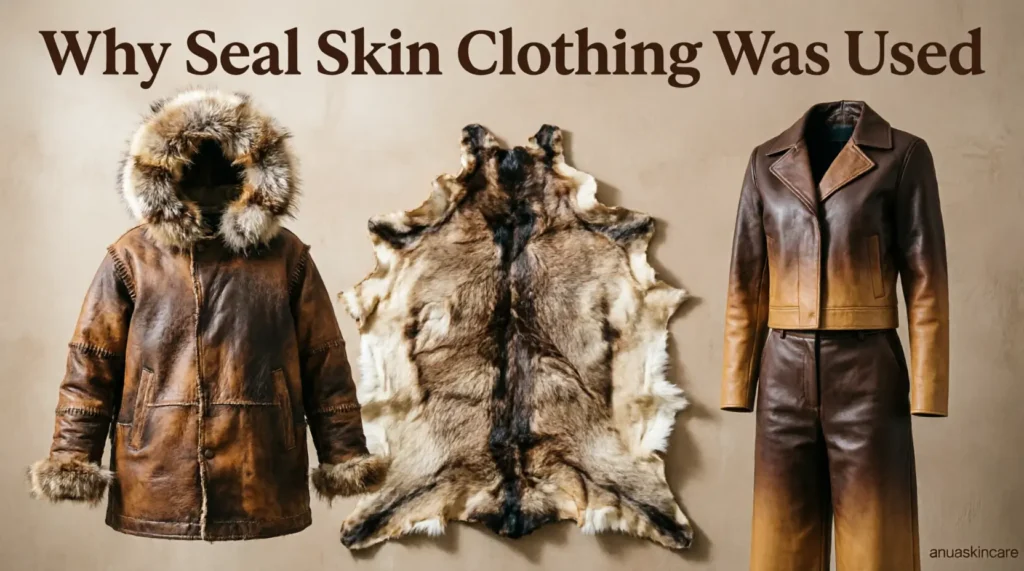
Now let’s talk about seal skin.
Seal skin clothing was a major part of Arctic life. And the reason is simple.
It was a multi-purpose material.
Waterproof Power
Seal skin is naturally waterproof.
That means:
- Snow melting won’t soak through
- Walking on ice isn’t a problem
- It stays dry even in wet conditions
And in the Arctic, being wet can be dangerous.
Wind Protection
- Cold wind in Arctic regions is extremely harsh.
- Seal skin blocks wind almost completely.
- It works like a natural shield.
Flexibility
Now here’s another important thing.
If clothing is stiff, movement becomes difficult.
And in hunting, slow movement means failure.
Seal skin is flexible, which allows:
- Silent movement
- Long-distance travel
- Smooth hunting
From what I’ve seen, if clothing isn’t comfortable, you get tired quickly. And these people were working in extreme environments.
Benefits of Caribou Skin Clothing
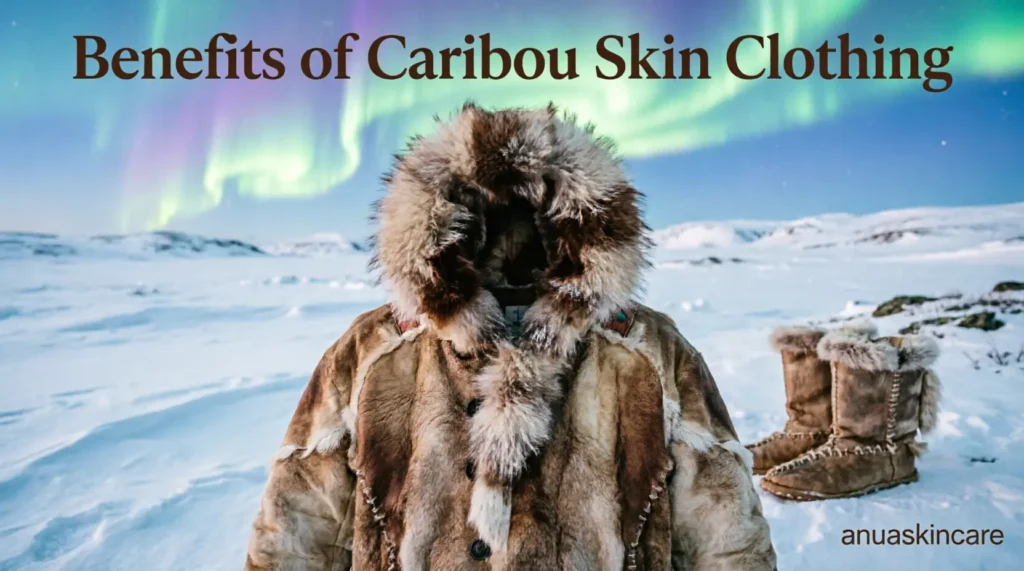
Now let’s talk about the real powerhouse. Caribou skin clothing.
If seal skin is the king of waterproofing, caribou is the king of insulation.
Natural Insulation
The biggest strength of caribou fur is its structure.
Each hair is hollow.
And hollow hair means air gets trapped.
And trapped air means heat stays inside.
Simple science.
- Body heat stays in
- Cold air stays out
Lightweight feel
Now imagine wearing heavy clothing.
You move slower.
You lose more energy.
Caribou skin is lightweight, which means:
- Easier movement
- Less fatigue
- Better performance
Extreme Warmth
Honestly, caribou fur is so warm that even modern insulated jackets sometimes can’t compete.
That’s why it was often used as the inner layer.
Inuit Traditional Clothing Explained
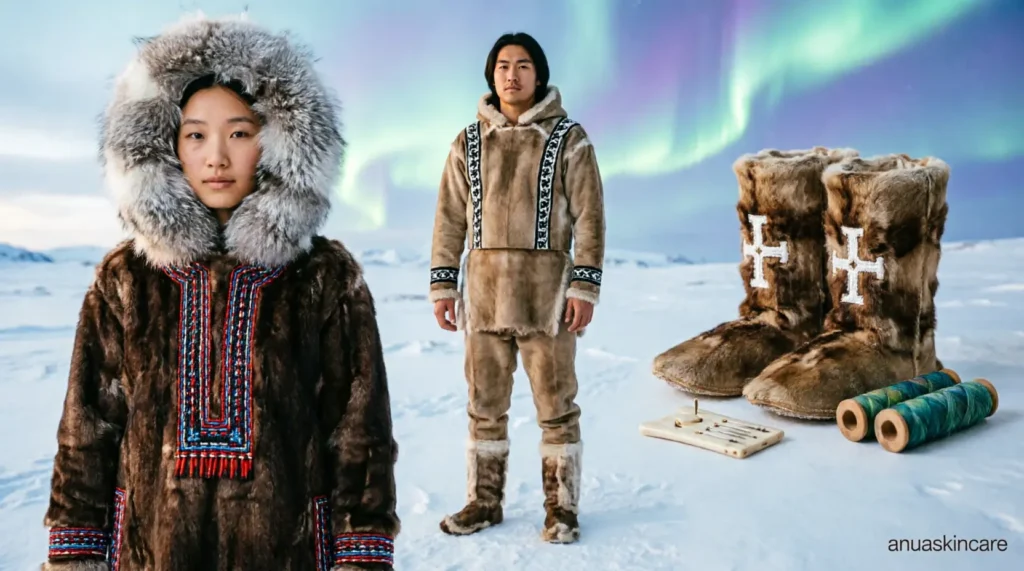
Inuit people took clothing design to the next level.
Their system wasn’t random. It was highly intelligent.
Parkas
The most important clothing item was the parka.
It’s basically a jacket, but specially designed.
- Usually made from caribou skin
- Comes with a hood
- Designed to trap heat efficiently
Mukluks
Mukluks are boots made from seal skin.
And honestly, they were incredible.
- Waterproof
- Warm
- Comfortable
Perfect for walking on snow.
Gloves
Hands are the first to freeze.
That’s why gloves were:
- Thick
- Fur-lined
- Tight-fitting to prevent heat loss
From what I’ve seen, their layering system was so effective that they could function normally even in extreme weather.
How Traditional Hunters Stayed Warm
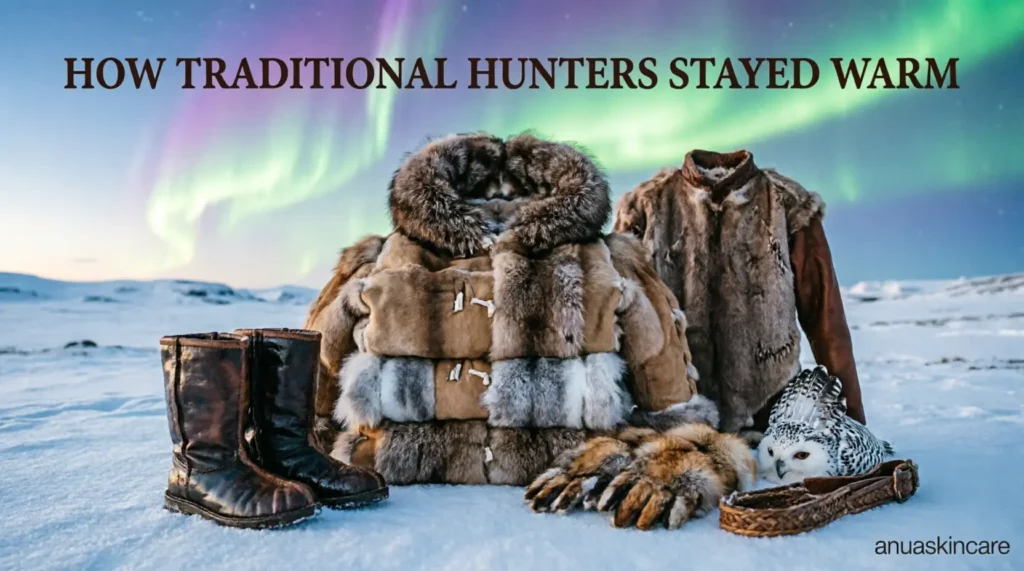
This is where things get really interesting.
It wasn’t just about materials. It was about strategy.
Layering System
Hunters wore multiple layers.
- Inner layer was soft and warm
- Outer layer was protective
This combination created the perfect balance.
Sweat Control
Sweating is actually dangerous in extreme cold.
If clothing gets wet from inside, the risk of freezing increases.
That’s why clothing was designed to prevent overheating.
Smart Design
The shape of the clothing also mattered.
- It trapped heat
- Controlled airflow
- Allowed easy movement
The thing is, they understood how the human body works in cold environments.
Seal vs Caribou Clothing Which is Better
Let’s compare directly.
Warmth
Caribou is clearly the winner.
Seal provides moderate warmth.
Waterproof
Seal is unbeatable here.
Caribou is not waterproof.
Durability
Seal is tougher.
Caribou is softer.
Best Use
- Seal is best for wet and windy conditions.
- Caribou is best for extreme cold.
- And smart hunters used both.
- Caribou inside. Seal outside.
- Simple but genius.
Animal Skin Garments vs Modern Synthetic Gear
Now let’s talk about today’s world.
Natural Fur Advantages
- Better insulation
- Breathable
- Long-lasting
Challenges
- Hard to make
- Requires maintenance
- Ethical concerns
Modern Gear
Modern jackets are easier to use.
- Lightweight
- Mass-produced
- Stylish
But here’s the truth.
In extreme Arctic conditions, traditional clothing is still more reliable.
I’ve seen that even modern explorers sometimes follow indigenous techniques.
Cultural Importance of Indigenous Hunting Garments
These weren’t just clothes.
They represented identity.
Identity
Clothing showed:
- Which tribe you belong to
- Your region
- Your skills
Knowledge System
Skills were passed down through generations.
- Skin preparation
- Sewing techniques
- Design methods
And none of this came from books.
It came from experience.
How These Garments Are Made
Let’s break down the process.
This is not simple work.
Skin Preparation
- First, the skin is cleaned.
- Then dried.
- Then softened to make it wearable.
Sewing Process
- Everything is stitched by hand.
- Bone needles are used.
- Natural threads are used.
Tools
- Knives
- Scrapers
- Traditional tools
Honestly, even modern machines struggle to replicate this level of craftsmanship.
Modern Use of Traditional Fur Clothing
Now the big question.
Is this still used today?
Yes.
Still Used
In Arctic regions:
- Hunters still rely on it
- Local communities trust it
Fashion Industry
Some designers take inspiration from traditional styles.
But that’s mostly for looks.
The real survival value still exists in the original garments.
FAQs: Hunter’s Garb Made from Seal or Caribou Skin
What is hunter’s garb made from?
Hunter’s garb is traditionally made from animal skins, mainly seal skin and caribou skin. These materials were used because they provide warmth, protection from wind, and durability in extreme Arctic conditions.
Why did Inuit people use seal skin clothing?
Seal skin was used because it is naturally waterproof and wind-resistant. It helped hunters stay dry and protected while traveling on ice, snow, and in wet environments.
Why is caribou skin clothing so warm?
Caribou fur has hollow hairs that trap air, which creates excellent insulation. This helps keep body heat inside and protects against extreme cold temperatures.
Which is better: seal skin or caribou skin clothing?
Both have different uses. Caribou skin is better for warmth, while seal skin is better for waterproof protection. Traditional hunters often used both together for maximum effectiveness.
Final Thoughts
Hunter’s garb made from seal or caribou skin is one of the smartest survival systems ever created.
It looks simple. But it’s actually highly advanced.
The thing is, we depend heavily on technology now. But nature had already solved many of these problems long ago.
And honestly, if you ever had to survive in extreme cold…
You’d probably trust caribou fur insulation more than a modern jacket.
You Might Also Enjoy Reading :
Skincare Rutina: The Ultimate Guide for Healthy Skin
Best Serum for Redness Prone Skin: Top Calming Serums 2026
Neumi Skin Review 2026: Benefits, Side Effects & Real Truth
Taylor Frankie Paul Beauty Routine for MomTok Glow
Beef Tallow Moisturizer Benefits & How to Use