
Introduction
You press a pimple, expecting the usual white or yellow discharge, and instead a thin, watery fluid seeps out. No pus, no blood — just a clear liquid that keeps coming. This clear liquid in pimple can be confusing, even a little alarming if you have never seen it before.
The good news is that clear liquid coming out of a pimple is completely normal. In fact, it tells you something important about what is happening inside your skin. This guide breaks down exactly what that fluid is, what causes it, when it signals healing versus a problem, and how to handle it without making things worse.
What Is the Clear Liquid That Comes Out of a Pimple
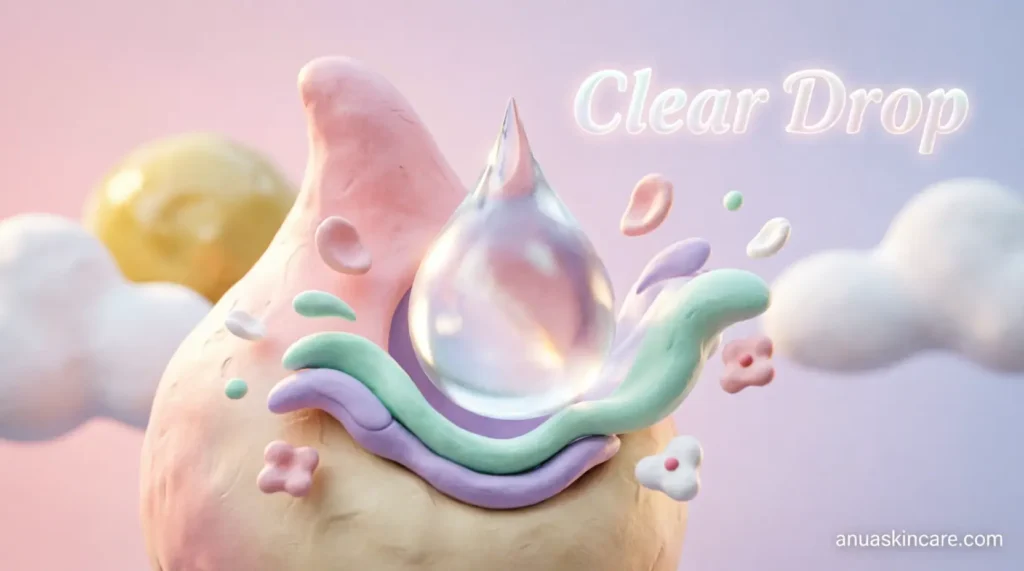
The clear fluid from a pimple is called serous fluid, sometimes referred to as serum or interstitial fluid. It is derived from blood plasma, the liquid portion of your blood, and it leaks out of tiny capillaries whenever the surrounding tissue becomes inflamed or injured.
Serous fluid is not a sign of infection. It is actually the opposite — it is your immune system showing up to manage the situation. The fluid carries antibodies, white blood cells, electrolytes, glucose, and amino acids directly to the inflamed area to begin tissue repair.
When you see a watery pimple or a pimple leaking clear fluid, your body is doing exactly what it is supposed to do.
Why Pimples Produce Clear Fluid Instead of Pus
Not every pimple fills with pus. The type of discharge a pimple produces depends on its stage of development and how your immune system is responding.
Here is a simple breakdown of why some pimples have water instead of the expected white or yellow core:
- Early stage acne has not yet developed enough bacterial activity to produce thick pus
- Hormonal pimples are often driven more by sebum overproduction than by heavy bacterial infection
- Mild acne inflammation can resolve before the classic white head ever forms
- Irritated pimple fluid can develop when a pimple that was not ready gets pressed or picked before maturation
- Skin irritation from products, friction, or touching can produce a serum-filled pimple that looks inflamed but contains no true infection
In short, a pimple with no pus and just clear liquid is simply one that has not progressed into a full bacterial infection, or one that your immune system has already begun to neutralize before that stage arrived.
The Science Behind Serous Fluid Formation
Understanding why your skin produces this fluid requires a quick look at what happens inside a blocked follicle.
How a Pimple Begins
Every hair follicle on your face is connected to a sebaceous gland that produces sebum, the natural oil that lubricates your skin. When dead skin cells, excess sebum, or environmental debris block the follicle opening, sebum cannot escape and starts to accumulate.
This blockage creates an anaerobic environment — low in oxygen — which is ideal for a bacterium called Cutibacterium acnes to multiply. This bacterium lives naturally on your skin but becomes problematic when trapped inside a clogged follicle.
How Inflammation Triggers Fluid Leakage
Once C. acnes begins multiplying in the blocked follicle, your immune system detects the threat and dispatches white blood cells to the area. This immune response triggers inflammation, which causes the surrounding capillaries to dilate and become more permeable.
When capillaries become permeable, they allow plasma-based fluid to leak into the surrounding tissue. This is the serous fluid you see. The leakage serves a purpose — it floods the area with healing agents and creates a medium for immune cells to travel through damaged tissue more efficiently.
This entire process is what creates the redness, swelling, and tenderness you feel around an inflamed skin bump before it ever comes to a head.
Clear Fluid vs Pus vs Blood: What Each One Means
One of the most common points of confusion is telling apart different types of pimple discharge. Here is a clear comparison:
| Discharge Type | Appearance | What It Contains | What It Means |
|---|---|---|---|
| Serous fluid | Clear or faintly yellow, watery | Plasma proteins, antibodies, white blood cells | Early inflammation or active healing |
| Pus | Thick, white or yellow | Dead white blood cells, bacteria, cellular debris | Active bacterial infection |
| Serosanguinous fluid | Pink or blood-tinged and watery | Serous fluid mixed with blood | Trauma to the follicle from squeezing |
| Blood | Red, thicker than serous fluid | Red blood cells, platelets | Capillary rupture from pressure or trauma |
A watery pimple producing clear discharge is almost always in the serous fluid category. Pus only forms when bacterial infection has progressed enough for a significant number of white blood cells to die in the area and compact together. Clear fluid acne that stays clear and watery throughout has often been interrupted before that stage.
Types of Pimples Most Likely to Produce Clear Fluid
Not all acne types behave the same way. Some are far more likely to produce a liquid-filled pimple than others.
Papules
Papules are small, red, raised bumps with no visible head. They are inflamed but do not yet contain pus. If pressed, they typically release serous fluid rather than a white discharge because the infection has not matured. These are classic clear bump on skin situations that get worse when squeezed prematurely.
Early Whiteheads
A whitehead in its earliest stage — just beginning to form — can release clear discharge if pressure is applied before it has developed a proper pus core. The follicle is producing inflammatory fluid but has not yet concentrated enough dead cells to create visible pus.
Hormonal Pimples
Pimples triggered primarily by hormonal fluctuations, particularly those along the chin and jawline, are often serum-filled rather than heavily infected. They tend to be deeper, more tender, and filled with a non-pus pimple material that appears as clear or slightly cloudy fluid.
Irritation Bumps
Small fluid-filled bumps caused by friction, product buildup, or skin sensitivity can mimic acne and produce clear discharge. These are technically not the same as bacterial acne but share similar visible characteristics.
Epidermoid Cysts
These are a separate category entirely. An epidermoid cyst is not a pimple, though it resembles one. It contains a semi-solid keratinous material — a buildup of keratin protein — rather than serous fluid. If it ruptures, the discharge may appear watery or paste-like. Unlike a standard pimple, a cyst has a sac wall beneath the skin that refills after drainage and requires professional removal.
What It Means When a Pimple Won’t Stop Leaking Clear Fluid
A pimple that keeps leaking clear fluid after being popped or disturbed is simply going through normal wound healing. Here is why it keeps flowing:
Once the follicle wall is broken — whether by pressure, picking, or a natural rupture — your body classifies that site as an open wound. It responds by continuously sending serous fluid to the area to keep it moist, prevent infection, and support tissue repair. This is the same reason a scraped knee weeps fluid before it crusts over.
The clear discharge from pimple sites after popping will gradually decrease as the wound closes. The timeline typically runs like this:
- First 30 to 60 minutes: Fluid flows freely as the wound is still open
- Hours 1 to 6: Fluid slows as the immune response stabilizes and early clotting begins
- Hours 6 to 24: A thin scab or crust forms over the area
- Days 1 to 3: Healing progresses beneath the crust if the area is left undisturbed
If a popped pimple clear liquid situation continues well beyond 24 to 48 hours without any sign of crusting, it typically means the wound is being reopened repeatedly — either by touching, wiping, or continued squeezing.
Should You Pop a Pimple That Only Has Clear Liquid

The straightforward answer is no. A pimple producing only clear fluid is not ready to be extracted, and pressing it harder makes the outcome worse, not better.
What Happens When You Pop Too Early
Here is exactly what happens when you pop a non-pus pimple before it has matured:
- Inflammatory fluid gets pushed sideways into surrounding healthy tissue
- The follicle wall can rupture deeper under the skin rather than at the surface
- Bacteria from your fingers enter a compromised wound
- The original small bump can develop into a larger, more painful inflamed skin bump
- Risk of post-inflammatory hyperpigmentation and scarring increases significantly
The presence of clear fluid is evidence that active inflammation is happening beneath the skin. The follicle is not empty, healed, or ready for extraction — it is in the middle of an immune response that your skin is trying to complete on its own.
When Professional Extraction Is Appropriate
The only scenario where extraction of a clear-fluid pimple makes sense is in a clinical setting, where a dermatologist or trained aesthetician can assess whether drainage is warranted and carry it out hygienically without spreading inflammation to surrounding tissue.
How to Handle a Pimple With Clear Liquid
The most effective approach to healing pimple fluid is also the simplest. Fewer interventions produce better outcomes than more aggressive treatment.
Immediate Steps
- Stop pressing the moment you see clear fluid emerge
- Cleanse gently with a mild, non-stripping cleanser to remove surface bacteria without further irritating the compromised barrier
- Apply a hydrocolloid patch directly over the site — these patches absorb serous fluid, protect the wound from environmental bacteria, and physically prevent you from touching the area again
Ingredients That Support Recovery
For active inflammation, the following ingredients support healing without aggravating a compromised follicle:
- Niacinamide at around 5 to 10 percent reduces redness and strengthens the skin barrier without irritating broken skin
- Centella asiatica supports wound healing and calms inflammatory activity at the surface level
- Low-concentration salicylic acid at 0.5 to 1 percent helps keep the pore clear during recovery — avoid higher concentrations directly on broken skin
Ingredients That Prevent Post-Inflammatory Marks
- Azelaic acid targets the pigmentation response that follows inflammatory acne
- Vitamin C supports collagen production and reduces oxidative stress in post-inflammatory tissue
- Tranexamic acid addresses hyperpigmentation pathways specifically and suits sensitive skin recovering from a breakout
Common Mistakes That Extend Healing Time
- Applying strong retinoids, glycolic acid, or high-percentage BHAs directly onto broken skin
- Wiping the area aggressively and reopening the wound repeatedly
- Skipping moisturizer because the skin looks oily
- Sleeping on unwashed pillowcases during an active breakout
- Touching the area throughout the day, transferring bacteria from your hands to an open wound
The Healing Timeline for a Pimple That Drained Clear Fluid
| Timeframe | What Happens |
|---|---|
| 0 to 6 hours | Fluid drains and gradually slows, early wound response begins |
| 6 to 24 hours | Wound begins to close, hydrocolloid patch becomes saturated |
| 24 to 48 hours | Surface seals, any remaining tenderness fades |
| 3 to 7 days | Skin tone begins to normalize, minor flattening visible |
| 2 to 6 weeks | Post-inflammatory mark fades depending on skin tone and inflammation depth |
How Skin Type Affects Clear Fluid Production in Pimples
Your skin type influences both how often you develop serum-filled pimples and how your skin recovers afterward.
Oily Skin
Produces more sebum, which means pores block more easily and more frequently. More blocked pores create more opportunities for the inflammatory cascade that generates serous fluid. People with oily skin tend to see clear liquid in pimple situations more often but also tend to heal faster due to higher natural moisture levels.
Dry Skin
Dry skin that experiences acne often produces small fluid-filled bumps from irritation rather than classic bacterial infection. These look similar but are driven more by inflammation from a disrupted barrier than by C. acnes overgrowth.
Sensitive Skin
More prone to producing serous fluid in response to minor irritation because its inflammatory threshold is lower. Even a small amount of product buildup or friction can trigger capillary leakage that produces a transparent pimple liquid without any meaningful infection present.
Combination Skin
Experiences both patterns depending on the zone — oilier zones along the T-area are more prone to bacterially-driven clear fluid acne, while drier cheek areas may produce irritation-based serum-filled bumps.
When Clear Liquid From a Pimple Needs Medical Attention
Most cases of clear discharge from a pimple resolve within a few days. However, certain situations warrant professional evaluation:
- The same spot continues draining clear or cloudy fluid for more than one week without improvement
- The surrounding area becomes increasingly red, warm to the touch, and swollen beyond normal pimple size — signs consistent with a deeper tissue infection
- You develop systemic symptoms alongside a severe breakout, including fever, swollen lymph nodes near the face or neck, or fatigue
- You notice recurring clear bumps on skin in the same location that never fully heal between cycles — this pattern suggests an epidermoid or pilar cyst that requires surgical drainage
Frequently Asked Questions
Is it normal to have a pimple with no pus and just clear liquid?
Yes, it is completely normal. A pimple with only clear liquid means the inflammation is in an early stage or is primarily driven by hormonal factors rather than heavy bacterial infection. The fluid is serous fluid — a natural immune response to a blocked follicle that still requires gentle care to heal without scarring.
Why does clear liquid keep coming out of my pimple after I pop it?
Once the follicle wall is broken, your body sends a continuous flow of serous fluid to the site as part of wound healing. The fluid will slow down and the area will begin to crust over as healing progresses. Applying a hydrocolloid patch absorbs excess fluid and keeps the wound protected while this process completes.
What is the difference between clear pimple fluid and pus?
Clear fluid is serous fluid — a plasma-based liquid containing antibodies and healing proteins that signals early inflammation or active tissue repair. Pus is a thick, opaque white or yellow substance made up of dead white blood cells, bacteria, and cellular debris that signals an established bacterial infection.
Can a pimple filled with clear liquid leave a scar?
It can, particularly if it is pressed, picked at, or treated aggressively before it heals. The act of squeezing a pimple that is still releasing serous fluid pushes inflammatory material deeper into surrounding tissue, which increases the risk of both scarring and post-inflammatory hyperpigmentation.
How long does it take a pimple leaking clear fluid to heal?
With gentle care, no further picking, and a hydrocolloid patch applied promptly, most pimples that have drained clear fluid will close and begin healing within 24 to 72 hours. A faint pink or red mark may remain for several weeks depending on skin tone and how much the follicle was disturbed.
Is clear liquid from a pimple contagious?
No. Serous fluid from an inflamed pimple is not contagious. It is a sterile, plasma-derived fluid produced by your own immune system. The bacteria inside the follicle — C. acnes — is a common skin resident that lives on virtually everyone and is not transmitted through casual contact.
Why does my pimple only have clear liquid and never form a white head?
Some pimples never develop a classic white head because the immune response resolves the blockage before enough dead cells and bacteria accumulate to form visible pus. Hormonal pimples and early-stage acne frequently follow this pattern. The absence of a white head does not mean the pimple is less real.
Conclusion
Clear liquid coming out of a pimple is one of those skin experiences that looks more alarming than it actually is. What you are seeing is serous fluid — the same plasma-derived healing agent your body deploys for any minor wound or inflammatory event. It is not a sign that something is wrong. In most cases, it is a sign that your immune system is already doing its job.
What determines whether that pimple heals cleanly or leaves a mark is almost entirely within your control, and it comes down to one principle: stop intervening. Every additional squeeze, wipe, or product layered onto already-compromised skin extends the healing timeline.
Your skin is a remarkably capable healing system. A pimple leaking clear fluid, left undisturbed under a hydrocolloid patch, will almost always resolve within a few days with no lasting evidence it was ever there. The same pimple, pressed and prodded repeatedly, becomes a weeks-long healing project with a visible mark at the end.
Understanding what the fluid actually is — and what it is telling you about where your skin is in the inflammatory process — gives you the information to make better decisions in the moment rather than reacting out of habit. That shift in understanding is often the only thing standing between skin that heals well and skin that carries the evidence of every breakout long after it has passed.