
Introduction
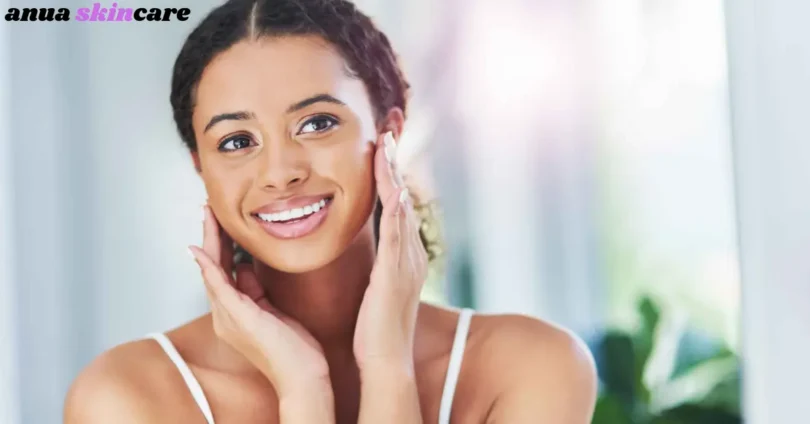
The term olive skin refers to a complexion that carries a subtle green or neutral undertone, making it different from standard warm or cool tones. People with an olive skin tone often have a naturally sun-kissed look, and their skin can range from light olive to deeper shades. What makes this complexion unique is its versatility—it can appear slightly golden in some lighting and more neutral in others, giving it a balanced quality that sets it apart.
An olive toned skin often tans easily and tends to look healthy and radiant with minimal effort. While it’s common across many parts of the world, from the Mediterranean to Asia and Latin America, its distinct characteristics make it both rare and admired. When someone describes an olive skin tone girl, they’re usually highlighting this adaptable and glowing olive skin colour, which stands out because it doesn’t lean too warm or too cool.
What is Olive Skin Tone?
An olive skin tone is a unique complexion that falls between fair, medium, and deeper skin shades, often carrying a subtle greenish or neutral undertone. Unlike warm or cool skin tones, olive is considered more balanced, which makes it stand out. People often describe it as having a natural glow that doesn’t look overly pink, golden, or pale.
There are different variations of olive toned skin. For example, light olive skin has a softer, more muted appearance, often leaning toward beige or light tan with that signature olive undertone. On the other hand, deeper olive skin appears more golden or brown, but still carries the same greenish tint underneath. This is why two people with olive skin may look quite different in shade, yet both share the same undertone.
Many people confuse olive skin with simply being tan, but they aren’t exactly the same. A tan is temporary and depends on sun exposure, while an olive complexion is a natural skin color present year-round. This is also why an olive skin tone girl might tan more easily than someone with fair or medium skin, yet still retain the distinct olive undertone.
The olive undertone itself is what makes this skin type so versatile—it can look warm in golden light and cooler in fluorescent light. That adaptability is one reason makeup artists, skincare experts, and fashion stylists often highlight olive skin colour as one of the most flexible and balanced tones.
Undertones in Olive Skin
One of the defining features of an olive skin tone is its undertone. While most skin tones are categorized as warm, cool, or neutral, olive skin is unique because it often carries a subtle green or grayish cast that sets it apart. This undertone is what makes the skin look naturally balanced and adaptable in different lighting conditions.
Warm vs. Cool Undertones
In general, warm undertones have golden or yellow hues, while cool undertones show pink, blue, or red hues. Olive skin doesn’t fit neatly into either category. Instead, it usually leans toward neutral undertones with a faint green tint. That’s why some people describe it as neither too warm nor too cool, but somewhere in between.
Is Olive Skin Warm or Cool?
A common question is, “Is olive skin warm or cool?” The answer is that it can be either, depending on the individual. Some people with olive skin appear warmer because of their golden glow, while others may look cooler due to a muted, slightly ashy undertone. However, the greenish tint remains a key marker of an olive undertone.
Olive Undertone Chart
An olive undertone chart often places olive skin in its own category, separate from the typical warm, cool, and neutral divisions. For example:
- Light olive skin: Appears beige or light tan with a soft green undertone.
- Medium olive skin: Balanced with both golden and green hues.
- Deep olive skin: Richer brown shade with a neutral-green undertone.
This classification helps people better understand their olive complexion and choose makeup, clothing, and hair colors that highlight their natural beauty.
Understanding undertones is especially important for finding the right foundation, as many shades on the market don’t fully match the greenish balance of olive skin colour. This is why people with olive skin often struggle to find products that don’t look too yellow, too pink, or too orange.
How to Know if You Have Olive Skin
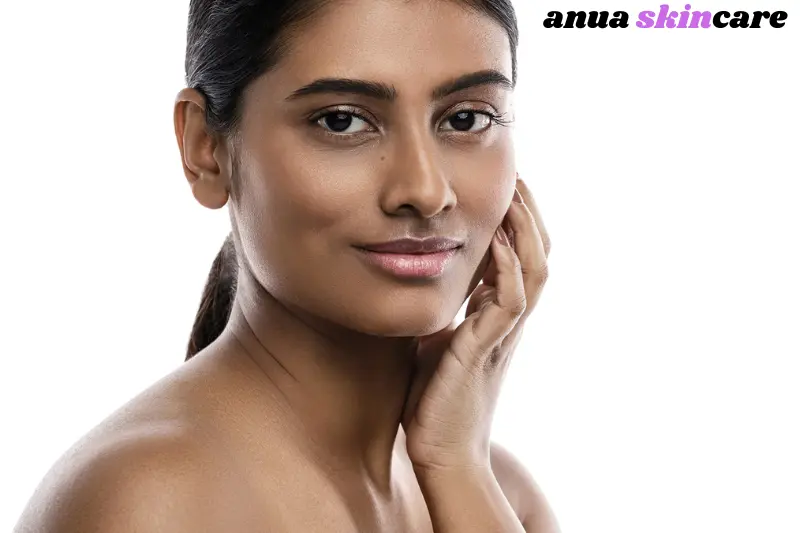
Many people wonder, “Do I have an olive skin tone?” because it can be tricky to identify. Unlike fair, medium, or dark skin, an olive complexion isn’t just about how light or deep your skin looks—it’s about the undertone beneath the surface. Here are a few ways to tell:
The Vein Test
Look at the veins on your wrist or inner arm.
- If they appear greenish, it’s often a sign of olive undertones.
- If they look blue or purple, that’s usually a cool undertone, while greenish-blue indicates a warm undertone.
The Jewelry Test
Many people with olive toned skin notice they can wear both gold and silver jewelry without one looking dramatically better than the other. This flexibility comes from olive’s naturally neutral undertones.
The Sun Test
Ask yourself: Does olive skin tan easily? The answer is yes—most people with olive skin tone tan quickly and rarely burn. This makes it different from fair or pink-toned skin, which burns more often.
Clothing & Makeup Reactions
Olive skin often looks its best in earthy colors, jewel tones, and muted neutrals. If certain makeup shades like peach blush or bright pink lipstick look “off,” it could be because they clash with the subtle green undertone.
Olive Skin vs. Tan Skin
A common misconception is that olive skin colour is the same as being tan. The difference is that tan is temporary, caused by sun exposure, while olive skin is a natural skin tone that exists regardless of tanning.
Olive Skin vs. Medium Skin
Medium skin describes depth of color, not undertone. Someone with medium skin might have golden, pink, or neutral undertones, while olive skin specifically refers to the greenish undertone. That’s why two people with similar depth of color may look very different depending on their undertone.
Recognizing whether you have an olive skin tone is the first step toward choosing the right foundation, clothing colors, and even hair shades that complement your natural look.
Is Olive Skin Rare?
A question that often comes up is, “Is olive skin rare?” The answer depends on how you define rarity. While olive skin isn’t as common as purely warm or cool tones, it’s not unusual either. In fact, it’s widely found in certain parts of the world.
Global Distribution
People with olive toned skin are most often seen in regions such as the Mediterranean, the Middle East, parts of South Asia, and Latin America. It’s also present in some European, North African, and East Asian populations. Because these regions span multiple continents, olive skin isn’t limited to one ethnicity or culture.
Why Olive Skin Seems Unique
The reason olive complexion is sometimes thought of as rare is because many beauty industries traditionally classified skin tones as simply light, medium, or dark with warm or cool undertones. This left people with olive undertones underrepresented, making it harder to find matching foundation shades or skincare products. Today, brands are starting to recognize this unique skin tone more, but it still stands out as distinct compared to standard categories.
Celebrities with Olive Skin
Several celebrities are admired for their olive skin colour, which helps showcase how versatile and beautiful this skin tone can be. Famous examples include:
- Penélope Cruz – known for her classic Mediterranean glow.
- Salma Hayek – often praised for her luminous olive toned skin.
- Zendaya – a modern icon with stunning versatility in fashion and beauty.
- Dev Patel – representing deeper olive tones with a natural balance of undertones.
These public figures show that olive skin tone girls and men alike can carry a wide range of looks, from natural and understated to bold and glamorous.
Final Word on Rarity
So, while olive skin might not be the most common, it isn’t truly rare. It’s simply underrepresented and often misunderstood. Its adaptability, unique undertones, and global presence make it one of the most intriguing and versatile skin tones in the world.
Makeup for Olive Skin Tone
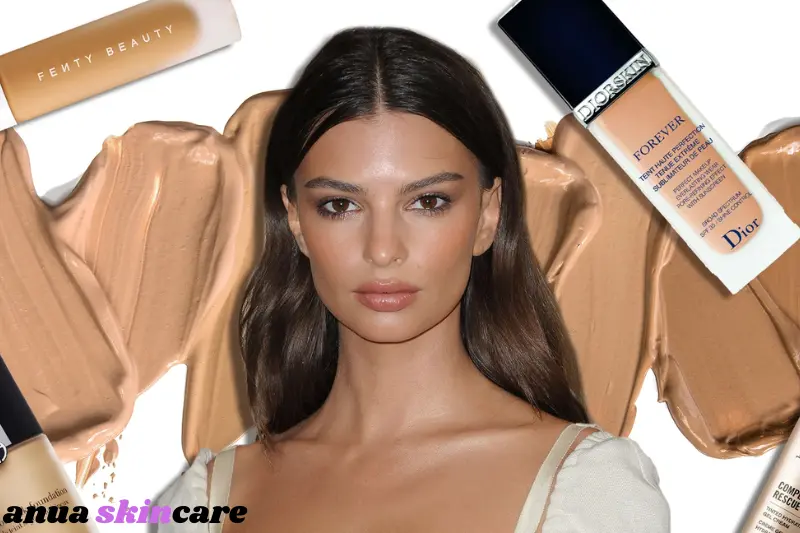
Finding the right makeup for olive skin tone can sometimes be a challenge. Because this complexion has unique undertones, many mainstream products can look too pink, orange, or yellow. The key is to find shades that balance with the olive undertone rather than fight against it.
Foundation for Olive Skin
One of the biggest struggles is finding the best foundation for olive skin. Many foundations are made with warm (yellow) or cool (pink) bases, but olive skin foundation shades require a more neutral balance with subtle green undertones. When choosing a foundation:
- Look for “neutral” or “olive” labeled shades.
- Avoid overly golden or overly rosy bases, as they may look unnatural.
- Test the product on your jawline in natural light, as artificial lighting can distort undertones.
If you’re unsure, start with a best foundation shade for olive skin tone from brands that specifically create ranges for this complexion.
Lipstick for Olive Skin
When it comes to lip color, certain shades flatter olive toned skin more than others. The best lipstick for olive skin tone usually falls into categories like:
- Reds with blue undertones (e.g., classic cherry red)
- Rich berry shades
- Warm nude tones that don’t lean too pink or peachy
Bright pinks or pale nudes often clash with the natural undertone, making the skin appear washed out.
Eye Makeup and Blush Tips
For eye makeup, earthy tones like bronze, gold, copper, and deep greens enhance the richness of olive complexion. Jewel tones such as emerald and sapphire also complement this skin type beautifully.
Blush can be tricky. Peachy-pink shades may look too artificial, while deep rose or terracotta tones tend to blend better with olive toned skin.
Olive Skin Makeup Tips
- Always test products in daylight to ensure they don’t turn ashy or orange.
- Balance bold lip or eye looks with a neutral base.
- Choose products with buildable coverage to let the natural glow of olive skin colour shine through.
With the right products, makeup can highlight the natural beauty of an olive skin tone girl while enhancing its unique balance between warm and cool.
Fashion & Color Palette for Olive Skin
Choosing the right clothing shades can make a big difference in how your olive skin tone looks. Because this complexion balances both warm and cool undertones with a subtle green tint, certain colors will naturally enhance the glow, while others may wash it out.
What Colors Look Best on Olive Skin
The most flattering shades for olive toned skin are often those that bring out its natural warmth and depth without overwhelming it. Great choices include:
- Earthy tones like olive green, camel, terracotta, and chocolate brown.
- Jewel tones such as emerald, sapphire, amethyst, and ruby.
- Rich neutrals like cream, ivory, taupe, and charcoal.
- Metallics like gold, bronze, and copper, which complement the golden-green undertone.
These colors highlight the balance in olive complexion and keep the skin looking vibrant.
Shades to Use Carefully
Some shades don’t always pair well with olive skin colour. For instance:
- Pastels (like baby pink or mint green) can make the skin appear dull.
- Neon colors may exaggerate the green undertone, leading to an uneven look.
- Certain yellows or oranges might clash unless they’re rich, deep, or earthy.
Styling Tips for Olive Skin Tone Girls
- If you love light colors, pair them with bold accessories or deeper tones to avoid looking washed out.
- Jewel-toned dresses, scarves, or shirts can instantly enhance the natural radiance of olive toned skin.
- For formal wear, deep emerald green, burgundy, and navy blue are timeless choices that flatter this complexion.
Fashion should always reflect personal style, but knowing what colors look best on olive skin helps you create a wardrobe that enhances your natural glow
Hair Colors That Suit Olive Skin
Just like clothing, hair color can either enhance or clash with an olive skin tone. Because this complexion carries green or neutral undertones, some shades bring out its natural glow, while others can make it appear sallow or muted. Choosing the right hair dye depends on whether you have light olive skin or a deeper olive toned skin.
Best Hair Colors for Light Olive Skin
People with light olive skin usually look stunning with shades that add warmth and dimension:
- Rich browns like chestnut, chocolate, and espresso.
- Caramel or honey highlights that brighten the face.
- Dark blonde shades with golden or beige undertones.
Avoid overly ashy blondes, as they may exaggerate the green undertone and wash out the complexion.
Best Hair Colors for Medium to Deep Olive Skin
For those with deeper olive skin colour, darker, richer tones work beautifully:
- Deep brunette shades like mocha, coffee, or dark chocolate.
- Black hair with soft brown or red undertones, which gives depth without looking harsh.
- Burgundy or auburn tones that add warmth and vibrancy.
Bright or icy blondes usually don’t complement deeper olive undertones, while golden-based highlights can create a more flattering balance.
Hair Colors to Experiment With
If you like bolder looks, jewel-toned hair dyes like emerald, sapphire blue, or deep plum can complement the richness of an olive complexion. These shades enhance the skin’s natural balance and create a striking contrast.
Final Tip
When deciding what hair color suits olive skin, always consider your undertone. Neutral-to-warm shades usually look best, while overly cool or ashy colors can drain the natural radiance of olive toned skin.
Skincare & Maintenance for Olive Skin Tone
Caring for an olive skin tone involves more than just choosing the right makeup or hair color—it’s also about keeping the skin healthy, radiant, and balanced. Because this complexion often tans easily and rarely burns, many people assume it needs less protection. In reality, olive toned skin requires just as much care as any other skin type.
Sun Protection and Tanning
One common trait of olive complexion is that it tans quickly and evenly. While this can be an advantage, it also means prolonged sun exposure can lead to hyperpigmentation or premature aging.
- Always use a broad-spectrum sunscreen with SPF 30 or higher.
- Reapply regularly, even if your skin doesn’t burn easily.
- If you enjoy tanning, opt for safer alternatives like bronzing lotions to protect your natural olive skin colour.
Evening Out Skin Tone
People with olive skin sometimes notice uneven pigmentation, especially around the mouth, under the eyes, or on the forehead. To maintain a smooth tone:
- Use gentle exfoliation 1–2 times a week.
- Incorporate vitamin C serums to brighten and balance the skin.
- Hydrate daily with lightweight moisturizers that don’t clog pores.
Choosing Skincare Products
When selecting products for olive toned skin:
- Avoid overly pink or yellow-tinted creams, as they can distort undertones.
- Look for formulations designed for neutral undertones.
- Ingredients like niacinamide and hyaluronic acid work well to enhance natural glow.
Makeup and Maintenance Combined
For those wondering how to find makeup for olive skin, the answer lies in blending skincare and cosmetics. A good routine ensures foundation sits evenly and enhances the natural balance of the olive skin tone girl. Pairing proper skincare with makeup that matches undertones helps create a polished yet natural look.
With consistent care and the right products, maintaining an olive skin colour is about protecting its unique undertone while celebrating its natural radiance
FAQs
What is olive skin tone?
Olive skin tone is a complexion with a subtle green or neutral undertone, often appearing balanced between warm and cool shades. It can range from light olive skin to deeper tones, giving it a naturally sun-kissed look.
How do I know if I have olive skin?
You may have olive toned skin if your veins appear greenish, you tan easily without burning, and both gold and silver jewelry suit you equally well. Testing how your skin reacts to makeup and clothing colors can also reveal whether you have an olive undertone.
Is olive skin warm or cool?
Olive skin is unique—it’s often classified as neutral with a greenish base. Depending on the person, it can lean slightly warm or cool, but the defining feature is its distinct olive undertone.
What colors look best on olive skin?
Earthy shades like camel, chocolate, and terracotta, as well as jewel tones like emerald and sapphire, flatter olive skin colour the most. Pastels and overly neon shades may sometimes wash out the natural glow.
Conclusion
The beauty of an olive skin tone lies in its versatility and balance. With its subtle green undertone, this complexion stands apart from standard warm or cool categories, making it both unique and adaptable. From light olive skin to deeper shades, people with this complexion enjoy a natural glow that works well with a wide range of fashion, hair, and makeup choices.
Understanding whether you have an olive undertone is the first step to enhancing it. Once identified, you can choose foundations that match perfectly, clothing colors that highlight your radiance, and hair shades that complement your natural olive skin colour. While some may think olive skin is rare, it’s actually celebrated across many cultures and admired for its timeless appeal.
Whether you’re exploring the best makeup for olive toned skin, considering new hair colors, or simply looking to maintain a healthy glow, the key is embracing what makes this complexion special. By caring for your skin and making thoughtful choices, you can let your natural beauty shine—because an olive skin tone girl has one of the most balanced and captivating complexions in the world.