
introduction
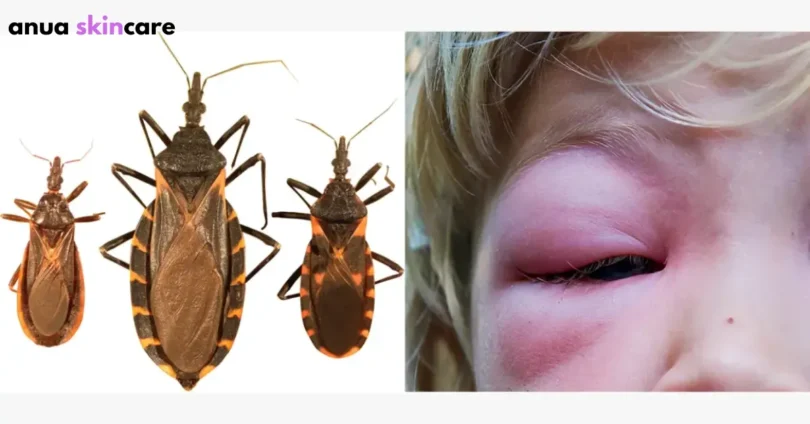
The term bug skin can carry two very different meanings, depending on the context. In the scientific sense, it refers to the outer layer that covers insects—the insect skin known as the cuticle. This surface, often called the bug exoskeleton, is made of a tough material called chitin. It serves as a protective shield, or natural armor, that supports the insect’s body structure while guarding against predators and environmental damage. Entomologists and biology enthusiasts often study this unique type of skin to understand how insects survive and adapt.
on the other hand, when most people search online for bug skin, they are usually thinking about what happens when bugs interact with human skin. in this human context, the term refers to skin reactions caused by insect bites—whether from mosquitoes, fleas, or bed bugs. bug bites can lead to itching, swelling, redness, or even allergic responses. because of this, many people turn to resources like bed bug photo galleries, images of bedbugs, or photos of bug bite marks to help them identify the source of their irritation. along with this, exploring lifestyle & skincare tips can make it easier to manage these reactions, soothe discomfort, and protect the skin.
This dual meaning explains why “bug skin” is such a common search phrase. Some are curious about the insect cuticle as part of biology, while others are looking for help diagnosing a rash or spotting signs of an infestation. In both cases, the term connects to protection: for insects, it’s the protective shell that keeps them alive; for humans, it’s the skin reactions that alert us to an unwanted visitor.
understanding bug skin in insects
When we talk about bug skin in the scientific sense, we are really describing a highly specialized structure that is very different from human skin. Insects and other arthropods do not have soft, flexible skin like mammals; instead, their outer surface is a hardened layer called the insect cuticle. This structure is part of the bug exoskeleton, which acts as both skin and skeleton at the same time.
The bug exoskeleton is made primarily of chitin, a strong and flexible material that creates what scientists often call the chitin skin layer. This protective covering is lightweight yet incredibly durable, allowing insects to move, fly, and burrow while still staying shielded from predators and environmental hazards. Because it is rigid, insects must shed this outer skin in a process called molting in order to grow. Each time they molt, a new layer of insect skin forms, enabling continued development.
Within this structure, there are multiple layers:
- The outermost cuticle, often waxy, helps repel water and prevent dehydration.
- The middle exocuticle provides toughness and structural strength.
- The inner endocuticle remains slightly flexible to allow limited movement.
Together, these layers function as an insect shell, giving rise to the terms arthropod skin, bug outer skin, or even insect armor. Unlike human skin, which can repair itself through cell regeneration, insect skin cannot heal once damaged. This is why the exoskeleton must be replaced entirely during molting.
Studying bug body covering helps entomologists understand how insects adapt to diverse environments—from the dry desert beetle with water-resistant cuticle layers to butterflies whose delicate wings are covered with scales that extend from the exoskeleton. In short, insect skin is a perfect balance of strength, protection, and survival strategy, tailored to the unique needs of the insect world.
bug bites on human skin
While insects rely on their bug exoskeleton for survival, humans often experience the other side of “bug skin”—the effects of insect bites. When a bug pierces or irritates the skin, the body reacts almost immediately. For many people, these bites appear as small, red, itchy welts, while others may develop more pronounced reactions such as swelling, blisters, or rashes.
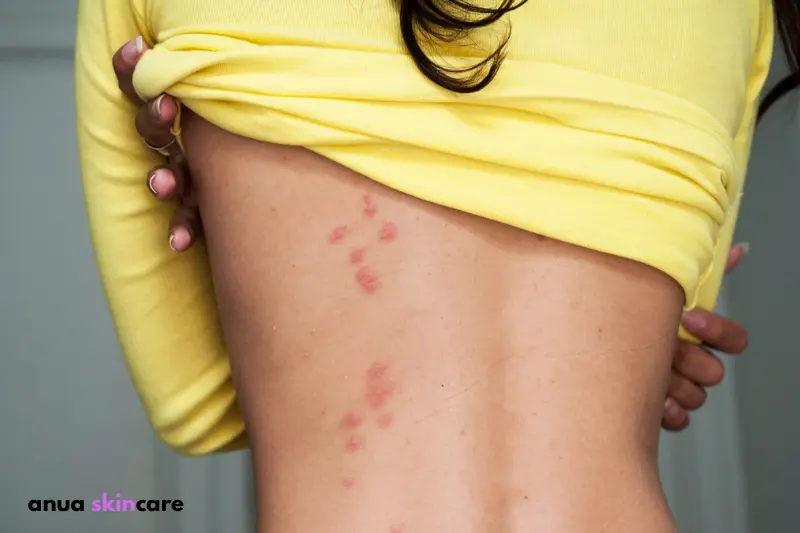
Common culprits include mosquitoes, fleas, ticks, and bed bugs. Each insect leaves behind slightly different insect bite marks, which is why so many people search for bug bites on skin images to compare their symptoms. For instance, bed bug skin rash often appears in clusters or lines, usually on areas exposed while sleeping such as ankles, arms, or the back. In contrast, mosquito bites are more random and typically larger in size.
The reaction to a bite occurs because of proteins in the insect’s saliva, which can trigger itching, redness, and even an allergic reaction to bug bites in sensitive individuals. For some, this may result in mild discomfort, but in others it can lead to significant irritation, with skin swelling from bug bites or a more severe immune response.
Beyond discomfort, bug bites can sometimes pose health risks. Certain insects may transmit diseases through bites, while scratching can break the skin, increasing the risk of secondary infections. This is why identifying the cause is so important—whether by consulting a doctor or comparing symptoms with reliable sources such as a bed bug photo reference or photos of bugs.
Understanding how bugs affect human skin is the first step in choosing the right care. From treating simple redness and itchy bug skin reactions to managing allergic responses, awareness empowers people to respond quickly and effectively.
bed bugs: signs and skin reactions
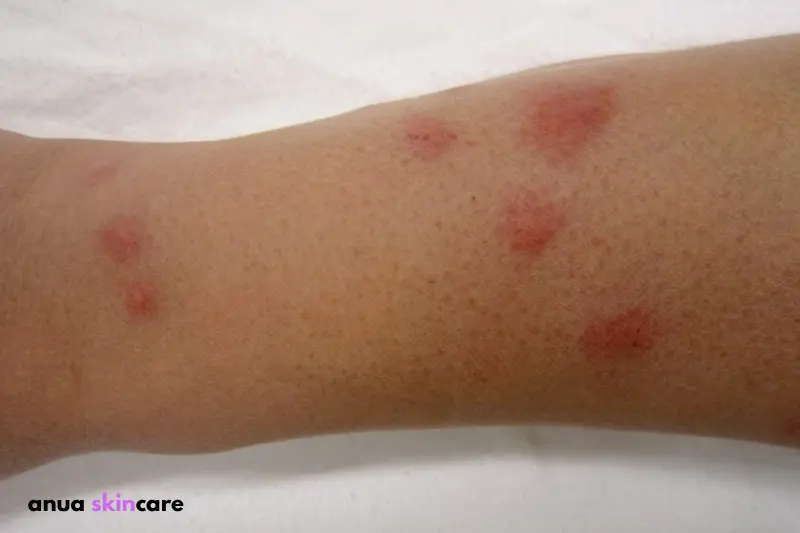
Among all insects that cause skin irritation, bed bugs are often the most feared. Small, flat, and reddish-brown, these pests hide in mattresses, furniture seams, and clothing. Because they are active at night, people usually notice their presence not by spotting the insect itself, but through the bug bites on skin that appear the next morning.
Typical bed bug skin rash looks like clusters or lines of small red welts. Unlike mosquito bites, which tend to be larger and scattered, bed bug bites often follow a pattern on areas of the body exposed while sleeping. The ankles, arms, back, and neck are especially common sites. Many individuals describe intense itching, sometimes accompanied by mild swelling or burning sensations.
This is why searches such as bed bugs on clothes pictures, images of bedbugs, or bed bug bites on ankles pictures are so common. Seeing a bed bug photo or comparing with bug bite marks helps people confirm whether they are dealing with bed bugs or another pest like fleas or mites. For those experiencing symptoms, bug bites on skin images are an important reference point before deciding on treatment or calling pest control.
In addition to bite reactions, bed bugs leave other clues. Tiny dark spots on sheets (from droppings), small blood stains, or the bugs themselves hiding in seams can indicate an infestation. If these signs appear alongside skin irritation, it’s usually a strong confirmation of bed bug activity.
Because reactions vary from person to person, some may only notice mild irritation, while others develop stronger allergic responses. Identifying the source early helps prevent further bites and ensures timely treatment for both the skin and the home environment.
pictures & visual identification
When people suspect they have been bitten by insects, the first instinct is often to compare their skin reactions with online bug bites on skin images. Visual references provide clarity, especially since different insects leave behind distinctive marks. For example, bed bug bites on ankles pictures usually show small, red welts in a line or cluster, while mosquito bites appear more scattered and swollen. Flea bites, on the other hand, often show up around the legs or waistline as tiny, itchy bumps.
Because of this need, searches such as photos of bugs, show me pictures of bugs, and body bugs pictures are very common. Seeing an image of a bed bug or other insect not only helps confirm the source of irritation but also reassures people that their concerns are valid. An actual bed bug photo paired with skin reaction pictures can be the difference between mistaking a rash for an allergy versus identifying an infestation.
Pictures are equally important for prevention. By learning to recognize insects through images of bedbugs or other pests, individuals can take faster action to treat both the environment and their skin. For families, travelers, or those living in apartments, early identification through visuals can stop a minor problem from turning into a serious infestation.
However, it’s essential to rely on trustworthy sources when reviewing images. Misinterpreting a rash based on poor-quality photos can cause unnecessary stress. Consulting both bug bite marks pictures and professional advice ensures more accurate results. Ultimately, combining knowledge of symptoms with visual identification gives people the confidence to handle bug-related skin concerns effectively.
bug skin care & treatment
Dealing with the irritation caused by insect bites requires both quick relief and long-term prevention. When a bug skin reaction appears—whether from mosquitoes, fleas, or bed bugs—early care can reduce discomfort and lower the risk of infection.
The first step in bug bite treatment is to clean the affected area gently with mild soap and cool water. This removes any dirt or irritants left behind by the insect. Applying a cold compress or ice pack can also help minimize skin swelling from bug bites and soothe itching.
For those seeking natural options, several natural remedies for bug skin irritation have been used effectively for generations:
- Aloe vera gel: cools the skin and reduces redness.
- Honey: offers antibacterial benefits and helps with healing.
- Tea tree oil: works as an antiseptic and can calm itching.
- Oatmeal paste: relieves dryness and irritation.
These remedies, often found in the home, are popular among people who prefer chemical-free solutions. However, over-the-counter treatments also play a role. Hydrocortisone creams, antihistamine gels, or calamine lotion are widely used to reduce itching and inflammation.
For more severe cases, especially when allergic reactions to bug bites occur, medical treatment may be necessary. Signs such as widespread swelling, breathing difficulties, or infected wounds require professional care.
The best approach often combines both prevention and treatment. Using protective clothing, insect repellents, and maintaining a clean living environment reduces the chances of future bites. At the same time, having quick access to both herbal remedies and modern medicines ensures that when irritation does occur, relief is never far away.
preventing bug skin problems
The most effective way to deal with bug skin issues is to prevent them before they start. While treatments can soothe irritation, proactive steps reduce the likelihood of bug bites and the discomfort they cause.
One of the most important measures is maintaining a clean living environment. Bed bugs, in particular, thrive in cluttered spaces and hidden corners. Washing clothes and bedding regularly in hot water, vacuuming furniture, and sealing cracks where pests may hide can significantly reduce the risk of infestations. For travelers, inspecting hotel mattresses and keeping luggage off the floor helps prevent bringing home unwanted pests. Many people even search for bed bugs on clothes pictures to better recognize early signs of contamination.
Personal protection is equally valuable. When outdoors, wearing long sleeves, pants, and closed shoes reduces skin exposure. Using insect repellents, especially those containing natural oils like citronella or eucalyptus, can keep mosquitoes and other biting insects at bay. For individuals sensitive to chemicals, natural remedies for bug skin irritation also extend to natural repellents, making it easier to avoid irritation without harsh products.
Home hygiene plays a role too. Keeping screens on windows, ensuring proper waste disposal, and reducing standing water around the home minimizes breeding grounds for mosquitoes and flies. For those already dealing with pests, identifying them correctly through photos of bugs or a reliable bed bug photo can guide more targeted pest control methods.
Preventing skin irritation from bugs isn’t only about avoiding bites—it’s also about building habits that protect overall health. By combining lifestyle practices with vigilance, individuals can reduce their risk of rashes, swelling, and allergic reactions, creating a safer and more comfortable environment.
Faqs
what is bug skin in insects?
bug skin refers to the exoskeleton or insect cuticle, a tough outer layer made of chitin that protects the insect’s body.
how do bug bites look on human skin?
they often appear as red, itchy bumps. bed bug bites may form in clusters or lines, while mosquito bites are more isolated.
how can i treat bug skin irritation?
wash gently, apply a cold compress, and use soothing remedies like aloe vera or oatmeal. seek medical help if severe reactions occur.
conclusion
the term bug skin can mean very different things depending on context. in the scientific sense, it refers to the insect exoskeleton, a protective outer layer that supports and shields bugs. in everyday life, however, bug skin often points to the effects of insect bites on human skin, including irritation, redness, and allergic reactions.
understanding both sides is useful: knowing how insects are built helps with identification, while recognizing bug bite symptoms allows people to respond quickly with the right treatments. whether searching for bed bug photos, bite images, or general insect information, people are ultimately looking for ways to protect themselves and manage reactions effectively.
by learning about both the biology of insects and the impact on human skin, we can balance curiosity with practical care—keeping ourselves informed, safe, and prepared