
introduction
The term birch bark skin tone is often used to describe a light, delicate complexion that sits within the spectrum of fair skin tones. Much like porcelain skin tone and ivory complexion, this shade is recognized for its pale, almost translucent appearance with subtle undertones that can range from neutral to slightly rosy. While it shares similarities with other light skin categories such as natural pale skin or light neutral skin tone, birch bark carries its own unique balance of brightness and softness, resembling the natural hues of birch tree bark.
In the world of beauty and skincare, understanding birch bark skin tone matters because the right approach to makeup, foundation, and skincare can dramatically enhance its natural glow. Choosing shades that complement this complexion—whether it’s fair neutral undertones or light beige tones—helps create a seamless and flattering look. Likewise, proper skincare ensures protection, since fair skin tones are often more sensitive to sun exposure and environmental stress. Many Lifestyle & Skincare Tips guides also emphasize how tailoring routines for birch bark skin tone can make a lasting difference. By recognizing where birch bark skin tone fits among other categories like ivory or porcelain, individuals can better tailor their beauty routines to highlight their natural features.
understanding birch bark skin tone
Birch bark skin tone is generally considered a variation of fair skin tone, yet it has subtle distinctions that set it apart. This complexion is often described as light and neutral, similar to the gentle beige and pale hues found in birch tree bark. Unlike porcelain skin tone, which may lean more toward a cool undertone, or ivory complexion, which can carry warmer notes, birch bark skin tone typically falls into the category of light neutral skin tone. This makes it highly versatile, as it can adapt to both cool and warm shades depending on the makeup or clothing chosen.
Another defining aspect of this complexion is the presence of subtle rosy undertones. These undertones can give the skin a natural flush, creating a healthy and soft neutral complexion without the need for heavy makeup. At the same time, birch bark skin tone is also associated with bright pale complexion, a characteristic that reflects light easily and can make the skin appear luminous.
Because of these nuances, people with birch bark skin tone often find themselves navigating a wide range of beauty advice—sometimes aligning with fair neutral undertones, other times with light cool-toned skin. Understanding this complexity is essential for choosing the right foundation shades, skincare products, and overall styling that enhance rather than mask the natural look of the skin.
undertones explained
When it comes to birch bark skin tone, identifying undertones is one of the most important steps in building a personalized beauty routine. Undertones determine how foundation shades look on the skin, which clothing colors flatter best, and how natural features appear in different lighting. Birch bark skin tone usually sits within the spectrum of neutral undertones but can lean slightly cool or warm depending on the individual.
neutral undertones
Neutral undertones are the most common in birch bark skin tone. A light neutral undertone blends both warm and cool pigments, resulting in a balanced shade that adapts easily to different makeup looks. This is why people with a neutral fair foundation shade often find it easier to experiment with colors without looking washed out. Neutral undertones also complement beige skin tone and subtle fair complexion, creating a harmonious appearance that looks natural across different settings.
cool undertones
Some individuals with birch bark skin tone lean toward cool undertones. This is where the complexion resembles porcelain skin tone or ivory undertone, with a soft, almost translucent finish. Cool pale skin tone often has hints of pink or blue beneath the surface, making subtle rosy undertones more prominent. These undertones work best with foundations and powders that highlight brightness without overpowering the natural fairness of the skin.
warm undertones (for contrast)
Although less common for birch bark skin tone, warm undertones can appear in the form of pale beige base color. These undertones carry a slight yellow or golden tint, which can make the complexion resemble ivory complexion more closely than porcelain. While birch bark skin tone is not strongly defined by warm undertones, acknowledging this variation is important for accurate complexion matching tips and choosing the right shades on a skin shade chart.
By carefully analyzing undertones, individuals with birch bark skin tone can better select foundation shades, lip colors, and wardrobe hues that highlight their natural features. Undertone analysis serves as the foundation for both fair makeup guides and effective skincare strategies.
foundation and makeup matching
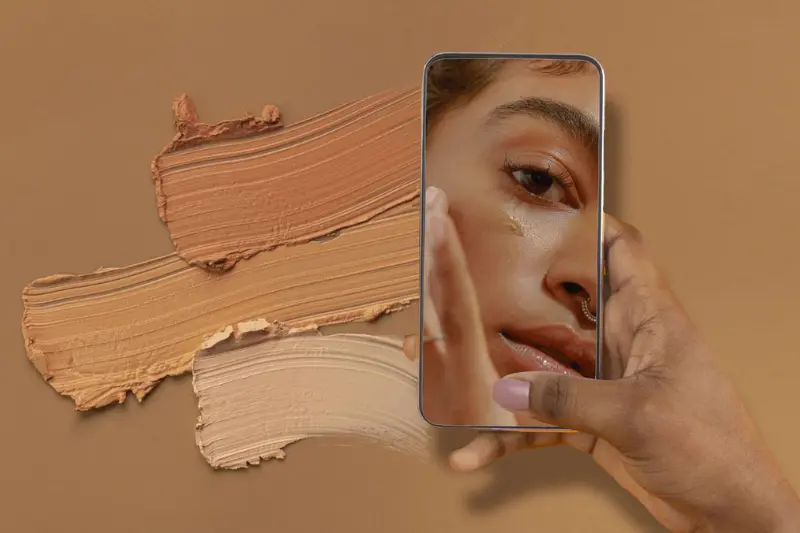
Selecting the right foundation and makeup is essential for enhancing birch bark skin tone. Because this complexion sits in the spectrum of fair skin tones, small mismatches in shade can appear more noticeable compared to deeper complexions. The goal is to find products that balance undertones while maintaining the skin’s natural brightness.
foundation for fair skin
For individuals with birch bark skin tone, foundation should align with light neutral undertones or soft beige shades. Neutral fair foundation is usually the best match, as it avoids being too pink (which can exaggerate redness) or too yellow (which can create an unnatural look). Light foundation shades in pale beige tones or light neutral skin tones offer the closest match, blending seamlessly with the skin while providing natural coverage.
When shopping for foundation, it’s important to test shades in natural light. Many brands now offer a range of tones specifically for fair skin shade and light neutral undertone, ensuring a more precise match. Using complexion matching tips from a skin shade chart can also help narrow down the best option.
makeup tips
Beyond foundation, makeup choices should highlight the soft neutral complexion and subtle rosy undertone often present in birch bark skin tone. Light beige tones, peachy pink blushes, and natural fair makeup looks enhance the skin without overwhelming it. For everyday wear, pale beige makeup tone foundations paired with a soft rose lip color can create a polished yet understated style.
For evening or special occasions, bolder contrasts can also work. Cool undertone skin pairs beautifully with berry or mauve lip shades, while neutral undertones can balance both warm bronzes and cool pinks. The key is to stay within a palette that enhances the natural fairness of the complexion rather than masking it.
By following these guidelines, individuals with birch bark skin tone can achieve a radiant, balanced look that complements their unique complexion while avoiding the common pitfalls of mismatched products.
skincare for birch bark skin tone
Birch bark skin tone, like other variations of fair skin tone, often requires special care because lighter complexions can be more sensitive to environmental factors. Protecting and maintaining this skin type ensures it stays healthy, radiant, and resilient over time.
sun protection
One of the most important steps in caring for this complexion is consistent sun protection. Fair skin shade and light neutral complexion are more prone to sunburn and long-term damage caused by UV rays. Daily use of a broad-spectrum sunscreen with SPF 30 or higher prevents issues such as premature aging, dark spots, and uneven skin tone. Even on cloudy days, UV rays can affect pale skin color, making sunscreen a non-negotiable part of any routine.
hydration and nourishment
Light neutral skin tone and subtle fair complexion often show dryness more quickly than deeper shades. To maintain a natural glow, hydration should be prioritized. Moisturizers enriched with hyaluronic acid, ceramides, and gentle oils help maintain the skin barrier while keeping the complexion supple. Regular hydration also enhances makeup application, ensuring foundation for fair skin blends smoothly without clinging to dry patches.
gentle skincare products
Because fair neutral undertone and porcelain complexion can sometimes be sensitive, harsh exfoliants or strong active ingredients may cause redness or irritation. Choosing mild cleansers, fragrance-free products, and gradual introduction of treatments like retinol ensures the skin adapts without discomfort. A consistent routine tailored to light neutral undertone skin keeps it balanced and protected.
long-term complexion care
Skincare for birch bark skin tone should also focus on long-term protection. Incorporating antioxidants such as vitamin C can help defend against environmental stressors, while soothing ingredients like aloe vera and chamomile calm the skin. These steps are particularly important for bright pale complexion, as its translucence makes imperfections more visible.
By combining protection, hydration, and gentle care, individuals with birch bark skin tone can maintain their skin’s natural brightness and health. Proper skincare not only supports overall skin wellness but also ensures that makeup looks fresh and flawless when applied.
style and fashion considerations
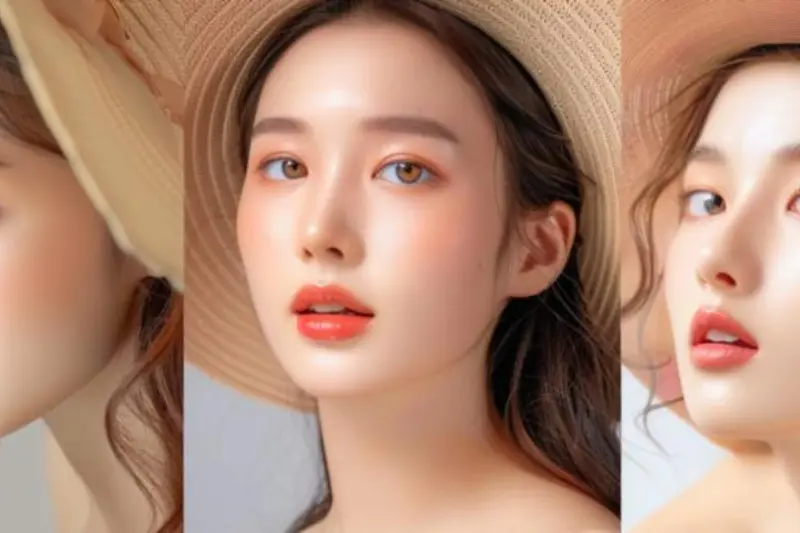
Birch bark skin tone offers a unique canvas that can be elevated with the right clothing colors, accessories, and styling choices. Because this complexion is part of the fair skin tone family, certain shades can either enhance its natural glow or create unwanted contrast. Understanding which palettes flatter the skin makes it easier to build a versatile wardrobe.
clothing colors that complement
Soft, muted tones generally work best for light neutral skin tone and subtle fair complexion. Shades like pastel blue, lavender, dusty rose, and pale gray enhance the skin without overpowering it. Neutral colors such as beige, ivory, and taupe also complement birch bark skin tone, reflecting its balance between cool and neutral undertones. For those with a slight rosy undertone, earthy shades like warm browns and olive greens can add depth without clashing.
avoiding overpowering shades
While bright pale complexion can carry off many shades, extremely bold or neon colors may create too sharp a contrast against the skin. Similarly, overly warm tones like bright orange or mustard yellow can exaggerate pale undertones. Instead, subtle variations of these colors—such as peach or soft gold—are more flattering and versatile.
accessories and overall style
Jewelry and accessories also play a role in complementing birch bark skin tone. Silver jewelry enhances cool undertones found in porcelain complexion or ivory undertone, while gold jewelry works well with light neutral undertone or beige skin tone. For a balanced look, rose gold can be an excellent choice, offering a middle ground that suits most variations of this complexion.
fashion balance
Fashion choices for birch bark skin tone should focus on harmony rather than extremes. Mixing light foundation shade makeup with soft-toned outfits creates an elegant look, while neutral fair foundation paired with pastel clothing emphasizes the skin’s natural clarity. By aligning wardrobe choices with complexion matching tips, individuals can highlight their natural beauty and achieve a polished, confident appearance.
birch bark skin tone vs. other fair shades
Although birch bark skin tone is part of the fair skin tone family, it holds unique qualities that distinguish it from other light complexions such as porcelain skin tone, ivory complexion, and natural pale skin. Understanding these differences can help individuals choose the right makeup, skincare, and fashion that enhances their specific look.
birch bark vs. porcelain complexion
Porcelain complexion is known for its extremely fair, cool undertone appearance with little visible pigment. Birch bark skin tone, by comparison, often has a light neutral skin tone with subtle rosy undertones. While porcelain skin tone can appear almost translucent, birch bark reflects a slightly warmer and more balanced brightness, making it easier to adapt to both cool and warm makeup palettes.
birch bark vs. ivory complexion
Ivory complexion typically carries more warmth, leaning toward pale beige base color or golden undertones. Birch bark, however, is less influenced by warm undertones and is usually associated with neutral fair foundation shades. This distinction makes ivory skin look creamier and birch bark appear brighter, with a softer neutral finish.
birch bark vs. natural pale skin
Natural pale skin and bright pale complexion often overlap with birch bark skin tone, but pale skin color can vary widely in undertone. Birch bark is more consistent in presenting as a light neutral undertone or soft neutral complexion, while natural pale skin may be cooler, warmer, or more uneven in tone.
skin shade chart placement
On a skin shade chart, birch bark skin tone typically sits between porcelain and ivory. It blends elements of both—translucence and brightness from porcelain, along with the versatility of ivory’s neutrality—while still maintaining its distinct identity. This middle placement makes birch bark one of the most adaptable fair skin shades when it comes to complexion matching tips.
By comparing birch bark to other fair shades, it becomes clear that this complexion carries a balance of brightness, neutrality, and adaptability. This balance makes it an ideal base for exploring different makeup looks, fashion styles, and skincare approaches.
faqs
what is birch bark skin tone?
Birch bark skin tone refers to a light, delicate complexion that typically falls within the fair skin tone spectrum. It is often described as a blend of brightness and neutrality, resembling the soft hues of birch tree bark. Unlike porcelain skin tone, which leans very cool, or ivory complexion, which has more warmth, birch bark skin tone is usually associated with light neutral undertones and subtle rosy undertones.
is birch bark skin tone the same as porcelain or ivory skin tone?
Not exactly. While all three are fair complexions, there are clear differences. Porcelain complexion is cooler, often with hints of blue or pink undertones. Ivory complexion tends to be warmer, leaning toward pale beige tones. Birch bark sits between these categories, often as a light neutral skin tone that adapts to both cool and warm palettes. This makes it more versatile for makeup and fashion.
how do i know if i have birch bark skin tone?
The best way to identify your skin tone is through undertone analysis. Look at the veins on your wrist: if they appear neither distinctly blue nor green, you may have a neutral undertone, which is common in birch bark skin tone. If your skin appears pale but not overly pink or yellow, and you find both silver and gold jewelry flattering, there’s a good chance your complexion falls into this category. Comparing yourself against a skin shade chart can also help confirm this.
which foundation shades work best for birch bark skin tone?
For birch bark skin tone, foundations labeled as light neutral undertone, neutral fair foundation, or light beige tone are often the best match. Avoid foundations that lean too pink, as they may exaggerate redness, or too yellow, as they may look unnatural. Testing products in natural light ensures the closest match to your natural complexion.
what makeup colors look good on birch bark skin tone?
Because of its balance between cool and neutral, birch bark skin tone works well with soft, natural palettes. Peachy pink blush, pale beige lip shades, and light brown or taupe eyeshadows highlight the subtle fair complexion without overpowering it. For cooler undertones, mauve and berry tones are flattering, while neutral undertones can balance both warm bronzes and soft pinks.
does birch bark skin tone need special skincare?
Like many fair skin shades, birch bark skin tone can be more sensitive to sun exposure and dryness. Daily use of sunscreen is essential to prevent damage and premature aging. Hydration also plays a big role, as light neutral complexion often shows dryness more visibly. Gentle cleansers, moisturizers, and antioxidant-rich products help maintain brightness and skin health over time.
conclusion
Birch bark skin tone is a unique complexion within the family of fair skin tones, offering a delicate balance of brightness, neutrality, and adaptability. While it shares similarities with porcelain skin tone and ivory complexion, its defining features—light neutral undertones, subtle rosy undertones, and soft neutral complexion—set it apart. This versatility makes birch bark one of the most accommodating skin tones when it comes to choosing foundation shades, makeup looks, fashion palettes, and skincare routines.
Understanding this skin tone begins with undertone analysis. Knowing whether the complexion leans neutral, cool, or slightly warm allows individuals to make more confident choices. A neutral fair foundation or light beige tone often provides the most natural coverage, while subtle makeup shades like peach, rose, or taupe enhance the skin’s inherent glow. Unlike some other fair skin tones, birch bark can adapt to a broader range of looks, from soft natural styles to more defined evening appearances.
Skincare plays an equally important role. Because lighter skin tones, including birch bark, are often more sensitive to sun damage and dryness, consistent hydration and daily sunscreen application are vital. With the right routine, the skin not only maintains its brightness but also resists environmental stressors that can affect its clarity and smoothness over time.
Fashion and style choices further highlight the versatility of this complexion. While overly bold colors may feel overwhelming, muted tones and pastels complement birch bark skin tone beautifully. Pairing the right wardrobe with well-matched makeup creates harmony that enhances natural beauty rather than overpowering it.
Ultimately, birch bark skin tone represents more than just a shade—it embodies the subtle elegance and timeless appeal of fair complexions. By recognizing its characteristics and making thoughtful choices in skincare, makeup, and fashion, individuals can fully embrace and celebrate the beauty of this distinctive skin tone.