

Introduction
Acne scars often remain even after the acne has cleared up on its own These stubborn marks not only make the skin tone uneven but also affect self confidence The good news is that today s combination of scientific and natural skincare has effective ways to reduce scars and make the skin clear soft and radiant once again
In this article we will take a detailed look at what the best routine is for acne scars which ingredients really work and which common mistakes to avoid in order to restore the skin s natural beauty.
How do acne scars form?
When acne or pimples come out the inner cells of the skin especially collagen are affected If the skin s repair process slows down the area either becomes more pigmented (hyperpigmentation) or leaves scars.
There are two types of scars
- Surface scars: These are discolorations or marks (Post-Acne Marks)
- Deep scars: These are those that are sunken into the skin such as pitted scars
These form when there is excessive inflammation or you repeatedly pick or scratch the acne The skin s natural regeneration system is affected and the scars become permanent
The scientific process of skin rejuvenation
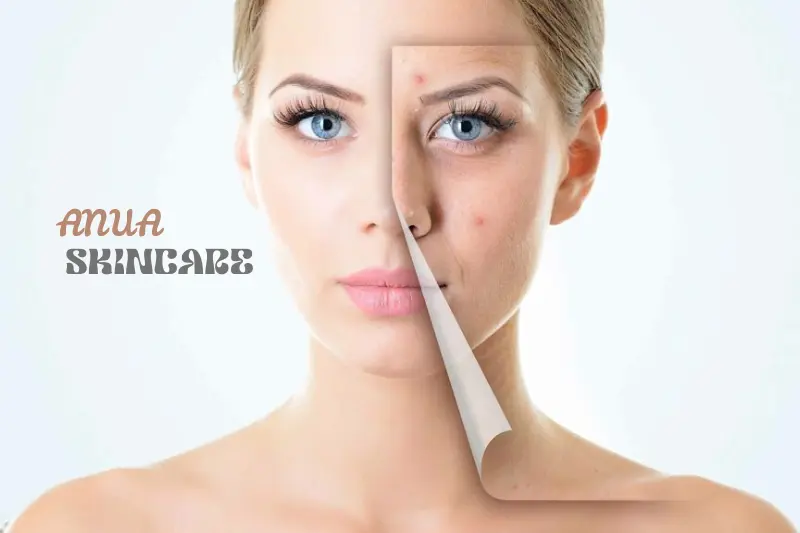
The skin is constantly renewing itself Every 28 to 40 days new cells replace old ones. When skin receives proper care after acne collagen production increases cells regenerate faster and scars begin to fade
But if you use harsh products over-exfoliate or use unbalanced chemicals this process slows down That s why a balanced routine is needed.
The best daily routine for acne scars
A complete routine has five basic steps
- Gentle Cleansing
- Safe Exfoliation
- Targeted Serums and Treatments
- Moisturizing
- Sun Protection
Let’s take a closer look at each step
Gentle cleansing and skin preparation
It s important to cleanse skin with gentleness as harsh soaps or alcohol based cleansers can damage the outer layer of skin.
Excellent choice
- Sulfate free gel or foam cleanser
- Cleanser with niacinamide or green tea extract
After cleansing pat your skin dry with a light hand instead of rubbing it with a towel
Exfoliation for skin improvement
Removing dead skin cells from the surface of the skin can help reduce blemishes But be careful.
Chemical exfoliants like AHA (glycolic acid) or BHA (salicylic acid) reach the lower layers of the skin and accelerate cell turnover.
Avoid abrasive or harsh scrubs as they can further irritate the skin.
Do not do this more than 2 to 3 times a week.
Targeted serums and therapeutic ingredients
This step is the real game changer Serums deliver ingredients that penetrate the skin to build collagen and even out skin tone.
Important ingredients
- Retinol: Accelerates cell renewal smoothes skin
- Niacinamide: Reduces hyperpigmentation reduces inflammation
- Vitamin C: An antioxidant that restores skin radiance
- Azelaic Acid: Balances skin tone and inhibits bacteria
Use these serums at night and always apply in layers as directed by a specialist
Moisture restoration and skin barrier repair
Many people believe that skin with acne or blemishes doesn t need moisturizing but the opposite is true.
When the outer layer of the skin becomes dry its natural repair process stops.
Choose moisturizers that
- Oil free
- Contain hyaluronic acid ceramides or peptides
These ingredients help retain skin moisture and speed up the fading process of blemishes
Sun protection the most important step
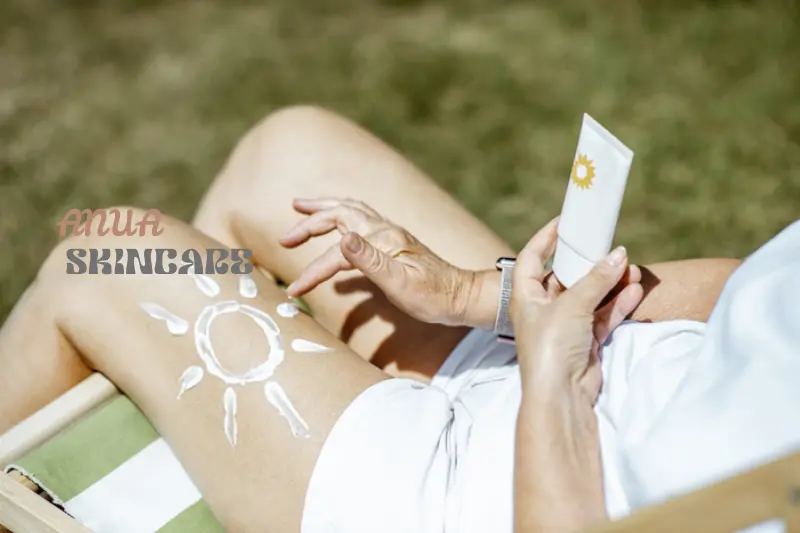
Sunlight can make acne scars darker Whether you re indoors or outdoors be sure to wear sunscreen with an SPF of 30 or higher every day
If you re using retinol or exfoliants not wearing sunscreen can be harmful to your skin
Sunscreen also helps to even out your skin tone
Natural and home remedies that really help
If you prefer natural methods some ingredients have been scientifically proven to be effective
- Rosehip oil: Increases collagen production
- Tea tree oil: Kills bacteria
- Aloe vera: Reduces inflammation and hydrates
Lemon juice (with caution) Has natural bleaching properties but do not apply to sensitive skin
Be sure to do a patch test before using natural ingredients
Modern treatment for stubborn and deep scars
Some scars just won t go away with home or over the-counter treatments In such cases the help of a dermatologist is necessary.
- Microneedling: Stimulates collagen within the skin
- Chemical peel: Removes layers of old skin to create new skin
- Laser treatment: Reduces the depth of scars
- Dermabrasion: Best for superficial scars
According to experts daily home care after these treatments gives even better results.
Long term skin protection and prevention of acne scars
More important than erasing scars is preventing new scars from forminga
- Make daily cleansing and moisturizing a routine
- A balanced diet water and sleep are the best medicine for your skin
- Excessive stress or lack of sleep can aggravate skin problems
Common mistakes to avoid
- Using harsh scrubs or soaps
- Applying different active ingredients together
- Not applying sunscreen during the day
- Wanting overnight results
- Not seeking advice from a doctor or professional
Remember skin is a living tissue it needs time love and gentleness
How many days does it take for scars to start fading?
This question is often asked How long will it take for scars to fade?
The answer is: It depends on each person s skin
In general:
- Light scars can fade in 4 to 6 weeks
- Dark or pitted scars can take 3 to 6 months
Consistency is the key to success
The result
If you are troubled by acne scars don t give up hope Skin repair is possible with a combination of scientific principles and natural care Adopt a gentle balanced and consistent routine according to your skin Over time not only will the scars fade but the overall health of your skin will also improve
(FAQs)
Can acne scars be completely removed?
There are two types of acne scars Surface Scars and Deep Scars Superficial scars commonly called Post Acne Marks can completely fade over time with a proper skincare routine and the right ingredients like retinol vitamin C and niacinamide However deep scars that are caused by a lack of collagen usually cannot be completely erased but their severity can be reduced by 60 to 80 percent Clinical treatments such as microneedling laser or chemical peels are best for this The main thing is to treat the skin with time consistency and gentleness
How long does it take for acne scars to fade?
It depends on the type of skin Light scars usually start to fade within 4 to 6 weeks while darker scars can take up to 3 to 6 months
Can niacinamide and retinol be used together?
Yes but it s best to use niacinamide during the day and retinol at night Both ingredients improve skin tone and reduce blemishes.
Is sunscreen really necessary?
Absolutely Sunscreen helps prevent acne scars from getting darker Use a sunscreen with SPF 30 or higher every day even when youre indoors.
Are home remedies beneficial?
Yes but in moderation Ingredients like aloe vera rose hip oil and tea tree oil are helpful However avoid harsh or harmful home remedies.
When should microneedling be done?
When scars are deep and home remedies are not making a difference it is best to get microneedling done after consulting a dermatologist It smoothes the skin by increasing collagen production.
How long does it take to fade acne scars with a proper skincare routine?
The time it takes to fade acne scars depends on their type and severity Mild post acne marks can start improving within 4 to 6 weeks with consistent use of ingredients like vitamin C niacinamide and retinol. Deeper scars such as pitted or textured ones may take several months and might require dermatologist treatments like microneedling or chemical peels for faster results
Conclusion
Acne scars can be stubborn but they don t have to be permanent. The journey to smoother clearer skin begins with understanding your skin type and following a consistent well balanced skincare routine The best routine for acne scars isn t about quick fixes it s about patience discipline and choosing the right ingredients that target scarring while maintaining the skin barrier
Start with gentle cleansing and exfoliation to remove dead skin cells and promote cell renewal Incorporate products rich in active ingredients like vitamin C retinol niacinamide and chemical exfoliants such as AHAs or BHAs all proven to fade dark spots stimulate collagen and improve texture over time Don t forget daily sunscreen even the best treatments will fall short if your skin is exposed to UV rays without protection
A proper morning and night skincare routine for acne scars combined with a healthy lifestyle can transform your skin s appearance Stay hydrated eat antioxidant rich foods manage stress and get enough sleep these internal factors are just as important as external care
Most importantly be patient Skin healing takes time and everyone s recovery process is different Whether you choose dermatologist recommended treatments natural remedies like rosehip oil or aloe vera or advanced options like microneedling the key is consistency and care With dedication your scars will gradually fade revealing healthier brighter and more confident skin