
Introduction
Many people get confused when they notice a bump on their skin or near the lips or genitals and wonder whether it’s just a pimple or herpes. Both can appear as small red or pus-filled bumps, but the causes, symptoms, and treatment are very different. Pimples are usually linked to acne, clogged pores, or ingrown hairs, while herpes is a viral infection caused by the herpes simplex virus (HSV). Because they may look similar at first glance, understanding the difference between a pimple vs herpes outbreak is important for proper care and treatment.
In this guide, we’ll explain how to tell if it’s a herpes or pimple, the signs to watch for, and when to see a doctor.
What is a Pimple vs What is Herpes?
Pimples are a common skin condition that happens when hair follicles become clogged with oil, dead skin cells, or bacteria. They can appear as red bumps, whiteheads, or blackheads, and sometimes turn into painful pus-filled spots. A pimple on lip or genitals is usually related to acne, irritation, or ingrown hairs rather than an infection.
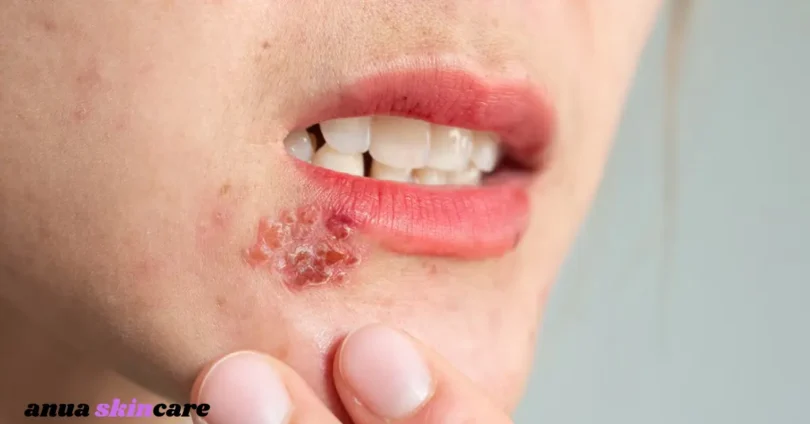
Herpes, on the other hand, is caused by the herpes simplex virus (HSV-1 or HSV-2). HSV-1 often leads to cold sores around the mouth, while HSV-2 is more commonly linked to genital herpes. Unlike pimples, herpes sores start as small red bumps but quickly develop into clusters of fluid-filled blisters that can be painful, itchy, or burn.
The main confusion arises because early herpes bumps may resemble pimples, making it hard to know if it’s genital herpes vs pimples or just acne.
Key Differences Between Pimples and Herpes
Although pimples and herpes sores may look similar in the beginning, there are several differences to help identify them:
Appearance
Pimples: Usually appear as red bumps with a white or yellow pus-filled center. They may be single or scattered.
Herpes sores: Start as small red spots that turn into clusters of clear, fluid-filled blisters.
Location
- Pimples: Can appear anywhere—face, chest, back, and sometimes around the lip or genitals due to clogged pores or ingrown hairs.
- Herpes: Commonly found on or around the lips (cold sores) and the genital area, though HSV-1 and HSV-2 can overlap.
Pain and Sensation
- Pimples: May feel tender if inflamed but usually don’t cause tingling before appearing.
- Herpes: Often preceded by itching, tingling, or burning before sores form.
Healing Time
- Pimples: Typically heal within a few days to a week.
- Herpes: Blisters burst, crust, and heal over 2–3 weeks.
Recurrence
- Pimples: Can come back, but not in the same exact spot repeatedly.
- Herpes: Caused by a virus that stays dormant and can reappear in the same area.
These differences make it easier to determine herpes bumps vs pimples, though in many cases, only a doctor or test can confirm.
Symptoms of Herpes vs Pimples
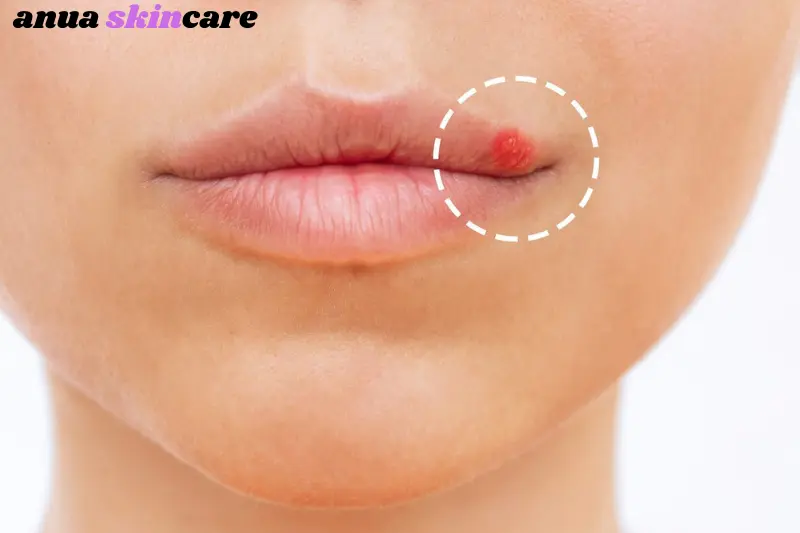
While pimples and herpes sores may look alike in the early stages, their symptoms differ significantly:
Pimple Symptoms
- Develop when pores get clogged with oil, bacteria, or dead skin.
- Usually appear as red or white bumps.
- May feel sore if inflamed, especially larger cystic pimples.
- Do not usually cause flu-like symptoms or tingling before showing up.
Herpes Symptoms
- Early signs often include tingling, burning, or itching in the affected area before sores appear.
- Blisters form in clusters and may be filled with clear fluid.
- Painful to touch, especially around sensitive areas like lips or genitals.
- Outbreaks may be accompanied by flu-like symptoms such as fever, swollen glands, or body aches (more common with initial infection).
- Healing typically involves blistering, scabbing, and gradual recovery over 2–3 weeks.
Key Takeaway:
If you notice recurring, painful blisters—especially with tingling before they appear—it’s more likely herpes than acne.
How to Tell if It’s a Pimple or Herpes
Many people wonder “can herpes look like a pimple?” The truth is, in the early stages, it can. However, there are clear differences that help in identifying:
Signs It’s a Pimple:
- Usually appears as a single bump rather than a cluster.
- May have a visible whitehead or blackhead.
- Forms due to clogged pores, irritation, or ingrown hairs.
- Typically heals within a few days to a week.
Signs It’s Herpes:
- Bumps appear in clusters, not alone.
- Blisters are filled with clear or yellowish fluid.
- Tingling, burning, or itching happens before sores show.
- Blisters burst, crust, and take 2–3 weeks to heal.
- Recurrence is common—herpes outbreaks can come back.
Important Note:
The best way to know for sure is medical diagnosis. A doctor may use a physical exam, lab test, or a swab from the sore to confirm if it’s herpes or acne.
Pimple vs Herpes on Lips and Genitals
The confusion between pimples and herpes is most common when they appear on sensitive areas such as the lips or genitals.
Pimples on Lips or Genitals:
- Often caused by clogged pores, shaving irritation, or ingrown hairs.
- May look like small red or white bumps, sometimes with pus.
- Generally not painful unless inflamed.
- Heal within a few days to a week without leaving scars.
Herpes on Lips (Cold Sores):
- Caused by HSV-1 virus.
- Starts with tingling or burning before a blister appears.
- Blisters form in clusters around the mouth or lips.
- Extremely contagious during an outbreak.
Genital Herpes (HSV-2 or HSV-1):
- Shows as painful, fluid-filled blisters in clusters around the genital or anal area.
- Often accompanied by itching, burning, or flu-like symptoms.
- Sores break open, crust, and take 2–3 weeks to fully heal.
- Can recur periodically, especially during stress or lowered immunity.
Bottom Line:
A pimple on lip or herpes blister may look alike at first, but herpes is usually clustered, painful, and recurs, while pimples are isolated and heal faster.
Duration: How Long Pimples vs Herpes Last
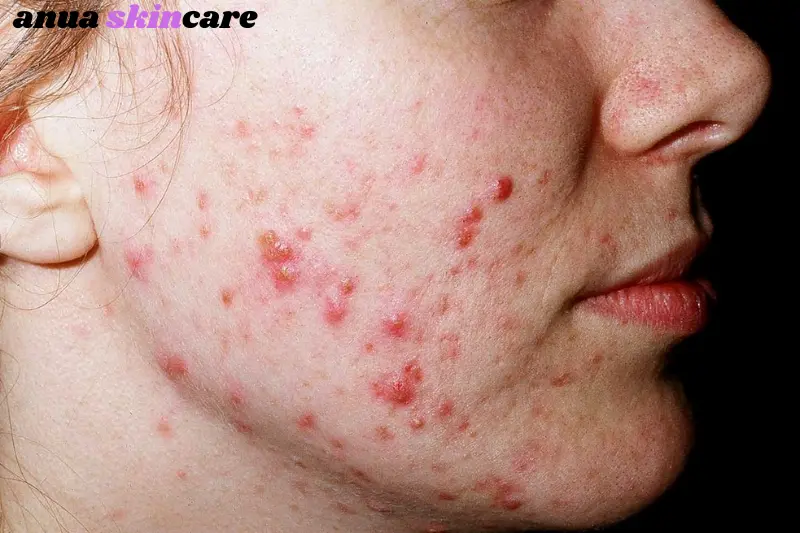
The healing timeline is another way to tell the difference between a pimple and herpes sore.
Pimple Timeline:
- Pimples usually form and heal within 3–7 days.
- Larger cystic pimples may last up to 10 days, but they gradually shrink and fade.
- They don’t typically leave scars unless picked or squeezed.
Herpes Timeline:
- Herpes outbreaks follow a clear cycle:
- Tingling or itching before sores appear.
- Fluid-filled blisters develop within 1–2 days.
- Blisters burst and scab over.
- Healing takes about 2–3 weeks.
- Unlike pimples, herpes sores recur—outbreaks may happen multiple times a year.
Key Difference:
If a bump lasts longer than a week, especially if it develops into painful blisters that scab, it’s more likely herpes than acne.
Diagnosis: How to Know for Sure if It’s a Pimple or Herpes
Because herpes bumps and pimples can look similar, many people struggle with self-diagnosis. While at-home checks help, the most reliable way is through a medical diagnosis.
Self-Check Signs:
- Pimples usually have a visible whitehead or blackhead and feel firm to the touch.
- Herpes sores are softer, filled with fluid, and often painful or itchy.
- Herpes often comes with warning signs like tingling, flu-like symptoms, or repeated outbreaks.
When to See a Doctor:
- If you notice clusters of painful blisters around the lips, genitals, or anus.
- If the bumps recur frequently in the same area.
- If you are sexually active and worried about an STD pimple vs herpes.
Medical Tests May Include:
- Viral culture or swab test from the sore.
- Blood tests to detect herpes antibodies.
- Physical examination by a dermatologist or sexual health specialist.
Bottom Line:
If you’re unsure whether it’s acne vs herpes, a doctor’s evaluation is the safest and fastest way to get clarity.
Treatment Options for Pimples vs Herpes
Because pimples and herpes have very different causes, their treatments are also different. Using the wrong treatment can make the problem worse, so it’s important to know what you’re dealing with.
Pimple Treatment:
- Topical creams: Benzoyl peroxide, salicylic acid, or retinoids help unclog pores and reduce inflammation.
- Warm compresses: Can soothe pain and encourage healing of larger pimples.
- Good skincare routine: Gentle cleansing and avoiding heavy products can prevent breakouts.
- Avoid popping: Squeezing pimples can cause infection or scarring.
Herpes Treatment:
- Antiviral medication: Drugs like acyclovir, famciclovir, or valacyclovir reduce outbreak severity and healing time.
- Pain relief: Over-the-counter painkillers or topical numbing creams may ease discomfort.
- Lifestyle management: Reducing stress, maintaining good immunity, and avoiding triggers can help reduce recurrences.
- No cure: Herpes cannot be cured, but symptoms and outbreaks can be managed effectively.
Key Takeaway:
A pimple will usually heal on its own, while herpes requires medical treatment to manage symptoms and prevent transmission.
Prevention: Reducing the Risk of Pimples and Herpes
While pimples and herpes are very different, both can be reduced with the right prevention strategies.
Preventing Pimples:
- Keep skin clean: Wash your face gently twice a day to remove excess oil and dirt.
- Avoid heavy products: Oil-based cosmetics and lotions can clog pores.
- Shave carefully: Use clean razors and proper technique to avoid irritation or ingrown hairs.
- Healthy lifestyle: A balanced diet, hydration, and stress management can help reduce acne flare-ups.
Preventing Herpes Outbreaks & Transmission:
- Safe sexual practices: Use protection and avoid sexual contact during outbreaks.
- Avoid sharing items: Don’t share razors, lip balms, or utensils if you or someone else has active cold sores.
- Boost immunity: Sleep well, manage stress, and maintain a healthy lifestyle to reduce outbreak frequency.
- Antiviral medication: For those with frequent herpes outbreaks, daily medication may help suppress symptoms and lower transmission risk.
Key Point:
Pimples can largely be prevented with good skincare habits, while herpes prevention focuses on safe practices, managing triggers, and seeking medical treatment when needed.
FAQs
Can herpes look like a pimple?
Yes, in the early stages herpes bumps can resemble pimples. The difference is that herpes usually appears in clusters, is filled with fluid, and causes pain or tingling before showing up.
How long do herpes sores last compared to pimples?
Pimples generally heal within 3–7 days, while herpes sores can take 2–3 weeks to fully heal and often recur.
Do herpes sores pop like pimples?
No. Unlike pimples, herpes blisters don’t have pus. They burst on their own, releasing fluid, then crust and scab over before healing.
What’s the best way to know if it’s herpes or just a pimple?
The most reliable way is a doctor’s diagnosis, which may include a swab test or blood test. If you notice painful, recurring blisters, it’s best to seek medical advice.
Conclusion
Telling the difference between a pimple and herpes can be tricky because both may look similar at first. However, pimples are caused by clogged pores and usually heal within a week, while herpes is a viral condition that causes recurring, painful blisters lasting up to several weeks.
If you’re unsure whether you’re dealing with acne vs herpes, pay attention to symptoms like tingling, clusters of blisters, or frequent recurrences—all signs that suggest herpes rather than a simple pimple.
The safest approach is to seek medical advice for a clear diagnosis and the right treatment plan. Remember, pimples can be managed with skincare, while herpes requires antiviral treatment and lifestyle management.
By understanding the differences and prevention strategies, you can take control of your skin health and address concerns early, avoiding confusion and unnecessary stress.