
Introduction
An anal skin tag is a small piece of extra skin that develops around the anus. These tags are soft, flesh-colored growths that are usually harmless but can sometimes cause discomfort or self-consciousness. Many people notice them as tiny folds of skin near the anal opening, often described as a skin tag on anus.
Because of their location, anal skin tags are commonly mistaken for hemorrhoids. While both conditions can appear similar, hemorrhoids are swollen blood vessels, whereas skin tags are simply loose skin. This confusion often leads individuals to misidentify their symptoms, which is why understanding the difference is important for proper care and treatment.
What is an Anal Skin Tag?
An anal skin tag is a benign (non-cancerous) piece of tissue that forms near the anal opening. These tags are typically soft, flexible, and painless, though they can sometimes cause irritation, especially during bowel movements or cleaning. Unlike skin tags that appear on the neck, underarms, or eyelids, these are located in the perianal area, which is why they are also called perianal skin tags or rectal skin tags.
They often result from stretched skin after swelling or irritation in the anal region. For example, hemorrhoids, fissures, or inflammation can leave behind a small flap of skin once they heal. These growths are not dangerous, but they may create hygiene challenges and can be a source of embarrassment for some people.
In short, skin tag around anus is a common condition and is not unusual to find. Still, because their appearance is very similar to other anal issues, medical confirmation is important to rule out more serious conditions.
Anal Skin Tag vs Hemorrhoid
One of the most common sources of confusion is telling the difference between an anal skin tag and a hemorrhoid. At first glance, both can appear as small lumps or folds near the anus, which is why many people misdiagnose themselves.
A hemorrhoid skin tag develops when a swollen hemorrhoid heals and leaves behind loose tissue. On the other hand, a benign anal skin tag forms as excess skin without any active swelling. Hemorrhoids are often painful, itchy, and may bleed, while skin tags are usually painless and do not bleed.
Sometimes, an anal fissure skin tag can also form as a result of chronic tearing in the anal lining. This further complicates self-diagnosis because the symptoms can overlap.
The key takeaway is: while hemorrhoids are swollen blood vessels that cause discomfort, anal skin tags are simply folds of skin left behind. For accurate identification, especially if there’s pain or bleeding, it’s best to consult a doctor.
Causes of Anal Skin Tags

Anal skin tags can form for a variety of reasons, most of which are related to irritation, stretching, or injury around the anus. Understanding the root cause helps in both treatment and prevention.
Common Causes:
- Hemorrhoids: One of the leading causes of anal skin growth is the healing process after hemorrhoids. When the swelling goes down, it often leaves behind a small fold of loose skin, sometimes called a hemorrhoid skin tag.
- Anal fissures: A tear in the anal lining (anal fissure) can lead to a fissure skin tag, where the skin thickens to protect the area.
- Chronic constipation or straining: Repeated pressure during bowel movements stretches the skin, creating anal tag causes.
- Pregnancy: Increased pelvic pressure and hormonal changes can contribute to extra skin around anus in women.
- Obesity: Excess body weight can increase friction and irritation in the anal area, encouraging tag formation.
- Inflammation or infection: Recurrent irritation in the anal region may result in small anal skin flaps.
In short, anal tags usually appear as a result of previous irritation or stretching, rather than appearing spontaneously. While they are harmless, their presence often signals an underlying issue that should be addressed.
Symptoms and When to See a Doctor
Most anal skin tags are painless and may go unnoticed until someone feels a small flap of skin during cleaning or notices it in the mirror. However, depending on size, location, or underlying cause, they may present with mild symptoms.
Common Symptoms of Anal Skin Tags:
- Presence of a soft anal skin lump or small flap of skin near the anus
- Discomfort or irritation, especially during wiping or prolonged sitting
- Hygiene challenges due to skin folds trapping moisture
- Occasional itching from friction or poor cleaning
- Rarely, swelling if the tag is irritated
While an anal skin tag is typically harmless, there are times when medical evaluation is important.
When to See a Doctor:
- If the lump is painful, bleeding, or rapidly changing in size
- If you’re unsure whether it’s a hemorrhoid, anal fissure skin tag, or another anal condition
- If the tag interferes with daily hygiene or causes persistent discomfort
- If multiple growths appear at once, which could signal another health issue
In many cases, a doctor will confirm that it is simply a benign anal skin tag and not something more serious. This reassurance is especially important because other conditions, such as hemorrhoids, fissures, or rarely tumors, can present with similar symptoms.
Can Anal Skin Tags Go Away on Their Own?
Unlike temporary swelling from hemorrhoids, an anal skin tag does not usually disappear naturally. Once the extra skin has formed, it tends to remain unless removed through medical procedures. This is because the tag itself is not swollen tissue but rather a permanent flap of stretched skin.
Some people may notice that their anal skin tags become less noticeable over time if swelling decreases, but the underlying tissue generally stays in place. In rare cases, very small tags may shrink slightly, especially if they resulted from minor irritation.
Why They Don’t Go Away Naturally
- A benign anal skin tag is made of skin cells, not inflamed blood vessels, so it doesn’t “heal” in the same way hemorrhoids do.
- Chronic conditions like fissures or hemorrhoids can continue to cause new tags, making them a recurring issue.
While they are harmless, people often choose removal for comfort, easier hygiene, or cosmetic reasons. If the tag is causing irritation or you’re uncertain whether it’s an anal skin tag vs hemorrhoid, a medical professional can guide the best approach.
Treatment Options for Anal Skin Tags
Although anal skin tags are harmless, many people seek treatment because they can be uncomfortable, difficult to clean, or simply bothersome. Treatment depends on whether you prefer professional removal or at-home care for symptom relief.
Medical & Surgical Removal
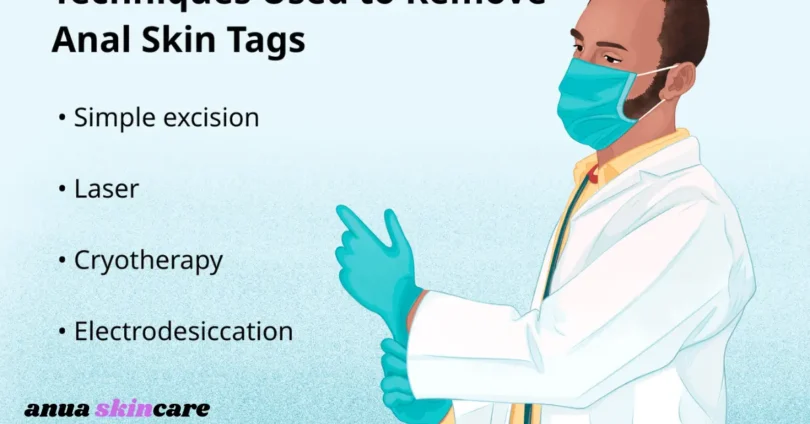
If the tag is large, irritating, or causing hygiene issues, a doctor may recommend professional removal. Options include:
- Excision: A minor surgical procedure where the doctor cuts off the tag under local anesthesia.
- Cryotherapy: Freezing the anal tag with liquid nitrogen until it falls off.
- Laser removal: Using focused energy to remove the anal skin growth with minimal bleeding.
- Electrocautery: Burning off the tag using electrical current.
These procedures are quick and generally safe, though recovery time varies.
Home Remedies & Self-Care Options
While home care cannot remove a tag, it can ease discomfort:
- Sitz baths: Warm water baths help reduce irritation around the anus.
- Proper hygiene: Gently cleaning the area prevents buildup and itching.
- Diet & hydration: Preventing constipation reduces straining, which lowers the risk of new tags forming.
- Topical soothing products: Witch hazel, aloe vera, or mild creams may calm irritation, though they won’t eliminate the tag itself.
For most people, the best treatment for anal skin tags is professional removal, especially if the tag causes daily problems.
Anal Skin Tag Removal: What to Expect

For those who decide to get rid of an anal skin tag, knowing what the process involves can ease anxiety. Removal is a straightforward procedure, but recovery and cost can vary depending on the method chosen.
Removal Procedure
During anal tag removal, a doctor first examines the area to confirm that the growth is a skin tag and not another condition. Local anesthesia is usually applied before excision, laser treatment, or cryotherapy. The procedure is quick, often completed within minutes, and typically performed in a clinic setting.
Anal skin tag removal without surgery (like cryotherapy or laser) is less invasive, but not always suitable for large or multiple tags.
Cost of Removal
The anal skin tag removal cost depends on the clinic, location, and procedure type. Excision is usually the most common and affordable method, while laser treatments may be more expensive. Insurance coverage often depends on whether the procedure is considered medical (due to discomfort or hygiene issues) or cosmetic.
Recovery After Removal
Recovery time after anal skin tag surgery is usually short. Mild discomfort, swelling, or tenderness may occur for a few days, but most people resume normal activities quickly. Good hygiene, sitz baths, and following medical advice help speed up healing.
- The anal skin tag removal recovery process typically takes 1–2 weeks.
Are Anal Skin Tags Dangerous?
Most anal skin tags are completely harmless. They are classified as benign anal skin tags, meaning they do not develop into cancer or cause serious health problems. Their main impact is usually limited to hygiene challenges, mild irritation, or cosmetic concerns.
However, the reason many people worry is that an anal skin lump or growth can resemble other conditions. Sometimes, hemorrhoids, fissures, or even rare but serious issues like tumors can appear similar to a skin tag on anus. This is why a medical evaluation is recommended if you notice bleeding, rapid changes in size, or persistent pain.
The important thing to remember is that while anal skin tags themselves are not dangerous, proper diagnosis ensures peace of mind and rules out anything more concerning.
Best Treatment Approach
Choosing the right way to manage an anal skin tag depends on how much it bothers you. Since these tags are non-cancerous and usually painless, many people live with them without needing treatment. However, if they interfere with hygiene, cause irritation, or are mistaken for other conditions, treatment becomes more important.
- Professional removal is the most effective and permanent solution. Whether through excision, laser, or cryotherapy, medical procedures ensure the tag is safely eliminated.
- Self-care options such as sitz baths, good hygiene, and preventing constipation can help manage symptoms and reduce the chance of new tags forming, but they won’t remove an existing tag.
- If you’re uncertain whether it’s an anal skin tag vs hemorrhoid, a medical consultation is the best first step before deciding on treatment.
In most cases, the best treatment for anal skin tags is professional removal, especially when the tag causes ongoing discomfort or hygiene difficulties.
Prevention Tips
While it’s not always possible to prevent an anal skin tag, certain lifestyle choices can reduce your risk and minimize irritation in the anal area. Since tags often develop after swelling, injury, or stretching of the skin, prevention is mainly about keeping the area healthy and avoiding strain.
Practical Prevention Strategies:
- Maintain healthy bowel habits: Avoid constipation and diarrhea, both of which can irritate the anal region. Eating fiber-rich foods and drinking plenty of water helps regulate digestion.
- Prevent straining: Excess pressure during bowel movements is one of the leading anal tag causes, so never force a bowel movement.
- Stay active: Regular exercise improves circulation and reduces the risk of hemorrhoids, which are often linked to perianal skin tags.
- Good hygiene: Gently clean the anal area with mild soap and water or unscented wipes to reduce irritation. Avoid harsh rubbing.
- Weight management: Maintaining a healthy weight reduces friction and pressure that can lead to extra skin around anus.
- Address anal health issues early: Treating hemorrhoids, fissures, or infections promptly lowers the chance of developing skin tags afterward.
FAQs
What is an anal skin tag?
An anal skin tag is a small, harmless flap of skin that forms around the anus. It’s usually soft, painless, and often mistaken for a hemorrhoid.
What’s the difference between a hemorrhoid and an anal skin tag?
Hemorrhoids are swollen blood vessels that can cause pain and bleeding, while anal skin tags are leftover folds of skin that remain after swelling or irritation has healed.
Can anal skin tags go away on their own?
No, once formed, they rarely disappear naturally. Small tags may shrink slightly, but most remain until removed by a medical professional.
How are anal skin tags removed?
Doctors can remove them through minor procedures such as excision, cryotherapy, or laser treatment. Recovery is generally quick, and removal is permanent.
Conclusion
An anal skin tag is a common and harmless condition that many people experience but often confuse with hemorrhoids or other anal issues. While these small flaps of skin are not dangerous, they can cause discomfort, make hygiene more difficult, or lead to self-consciousness.
For most individuals, the presence of a skin tag on anus is more of an annoyance than a medical concern. However, if the tag is causing irritation, growing larger, or creating uncertainty, seeking professional evaluation is the best step. Treatment options range from simple self-care practices to safe and effective medical removal procedures.
Ultimately, while anal skin tags are not a threat to your health, understanding their causes, differences from hemorrhoids, and treatment choices can help you manage them with confidence and peace of mind.