

introduction
A nature skin mask is a skincare treatment made primarily from natural ingredients such as herbs, plant extracts, clays, and organic compounds that nourish and revitalize the skin without relying on harsh chemicals. Unlike conventional cosmetic products that often contain synthetic additives, preservatives, and artificial fragrances, a natural skin mask emphasizes purity, simplicity, and the healing potential of nature. By drawing on age-old remedies and botanical wisdom, these masks provide a gentle yet effective way to cleanse, hydrate, and brighten the complexion.
In recent years, natural, herbal, and homemade face masks have become increasingly popular as people search for safer, more sustainable alternatives to mainstream skincare. Many consumers are turning away from synthetic-heavy products due to concerns about irritation, long-term damage, or environmental impact. Instead, they are embracing remedies that harness the benefits of ingredients like aloe vera, turmeric, green tea, honey, and clays, which not only support skin health but also align with eco-friendly values. This shift reflects a broader movement in beauty routines, where Lifestyle & Skincare Tips play an essential role in guiding people toward practices that are both effective and mindful of overall well-being.
The appeal of a natural facial mask or herbal face mask lies in its versatility—it can be tailored to specific skin needs such as hydration, acne control, or brightening. Whether it’s a natural face mask designed to soothe sensitive skin or a homemade blend created to reduce blemishes, these treatments reflect the modern desire for skincare that is customizable, clean, and connected to nature. As more people rediscover the benefits of organic skincare and DIY treatments, the nature skin mask has secured its place as an essential part of holistic beauty routines.
benefits of nature skin mask
The benefits of a nature skin mask go far beyond simple relaxation. While applying a mask is often seen as a pampering ritual, the real power lies in the way natural ingredients interact with the skin. Unlike many synthetic treatments, natural masks work gently, delivering nutrients, hydration, and protective compounds that improve both the appearance and health of the skin over time.
Hydration and nourishment
Many natural facial masks contain ingredients like honey, aloe vera, or cucumber that replenish moisture and leave the skin feeling supple. For people with dry or sensitive skin, this hydration is vital to maintaining a smooth, radiant complexion. Masks made with hydrating organic elements prevent flakiness and dryness without clogging pores.
Detoxification and deep cleansing
Clay-based or charcoal-infused masks act as a natural detox mask, drawing out impurities, excess oil, and pollutants that build up on the skin. This makes them especially helpful for urban dwellers exposed to environmental stressors. By purifying the pores, these masks reduce breakouts and promote a clearer, fresher look.
Soothing and calming effects
Herbal blends rich in chamomile, calendula, or green tea work as soothing natural masks, calming inflammation and redness. Those with sensitive or acne-prone skin often benefit from these plant-based remedies because they treat irritation without harsh side effects.
Acne control and blemish reduction
DIY recipes using turmeric, tea tree oil, or neem create powerful homemade skin masks that target acne naturally. These ingredients have antibacterial and anti-inflammatory properties that reduce breakouts while balancing oil production. That’s why so many people search for solutions like a diy face mask for acne or a homemade face mask for acne—because nature provides safe and effective answers.
Radiance and glow
Masks that incorporate lemon, papaya, or rose water gently exfoliate and brighten the skin, leading to a natural beauty mask effect. These antioxidant-rich treatments fight dullness and support cell renewal, resulting in a glowing, youthful complexion. For this reason, options like a homemade face mask for glowing skin and acne remain highly sought after.
Long-term skin health
Using a botanical skincare mask regularly ensures more than temporary results. The natural vitamins, minerals, and antioxidants in plant-based masks protect against premature aging, strengthen the skin barrier, and contribute to overall skin resilience. This is what makes them an essential part of an organic skincare routine and an eco-friendly alternative to chemical-laden products.
In essence, the benefits of a nature skin mask are holistic: they improve skin’s appearance, maintain its natural balance, and protect its long-term health. From hydration to detoxification, from calming irritation to enhancing radiance, these masks embody the harmony of skincare rooted in nature.
natural ingredients for skin masks
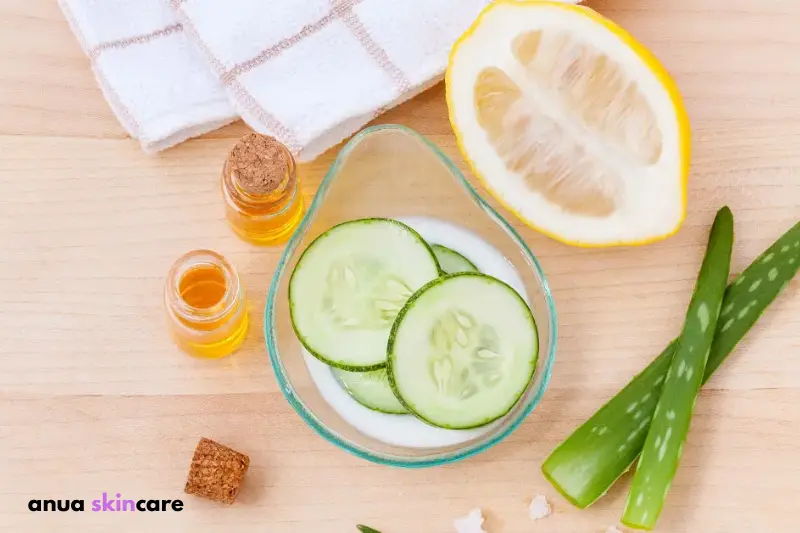
At the heart of every nature skin mask is its ingredient list. The effectiveness of a mask depends on the purity and potency of the natural elements used. Unlike synthetic skincare products, which often contain fillers and chemicals, a natural facial mask harnesses the goodness of botanicals, minerals, and organic substances to target skin needs in a gentle yet powerful way. Below are some of the most effective and widely used ingredients found in herbal face masks, homemade skin masks, and other natural treatments.
Aloe Vera
Aloe vera is one of the most popular ingredients in hydrating organic masks because of its soothing and moisturizing properties. It helps reduce redness, calms irritation, and leaves the skin feeling refreshed.
Honey
Honey is a natural humectant, meaning it draws moisture into the skin. Used in a homemade skincare solution, it nourishes and softens while also delivering antibacterial benefits—making it excellent for acne-prone skin.
Turmeric
Renowned for its anti-inflammatory properties, turmeric is a staple in many DIY skin masks designed to brighten skin and reduce blemishes. It combats acne while giving the skin a natural glow.
Green Tea
Rich in antioxidants, green tea helps protect the skin from environmental stressors. Masks infused with green tea act as antioxidant-rich masks, fighting dullness and slowing the signs of premature aging
Clay (Kaolin or Bentonite)
Clay masks are known for their detoxifying power. They pull out impurities from the pores, making them ideal for those seeking a natural detox mask or a homemade face mask for clear skin.
Cucumber
Cucumber adds a cooling effect that works wonders for sensitive or irritated skin. It is a key element in gentle skin care treatments aimed at calming inflammation.
Oatmeal
Oats are a natural exfoliant and soothing agent, often used in botanical skincare masks to treat dryness and irritation. They help remove dead cells while keeping skin hydrated.
Essential Oils (Tea Tree, Lavender, Rosehip)
Essential oils bring targeted benefits—tea tree oil fights acne, lavender oil soothes, and rosehip oil nourishes. When added carefully, they enhance the effectiveness of a plant-based mask.
Yogurt
Yogurt contains lactic acid, which gently exfoliates and brightens. Combined with honey or turmeric, it forms part of many homemade face masks for glowing skin and acne.
Rose Water
Rose water is hydrating, refreshing, and toning. It balances oil production and enhances the natural radiance of skin, making it a common addition to a natural beauty mask.
These ingredients highlight how versatile and customizable a nature skin mask can be. Depending on whether the goal is acne control, hydration, or achieving a radiant glow, individuals can select the right combination of natural elements to meet their specific skincare needs. This flexibility is one of the main reasons why people increasingly prefer eco-friendly skincare and plant-based masks over commercial chemical-heavy products.
diy and homemade face masks
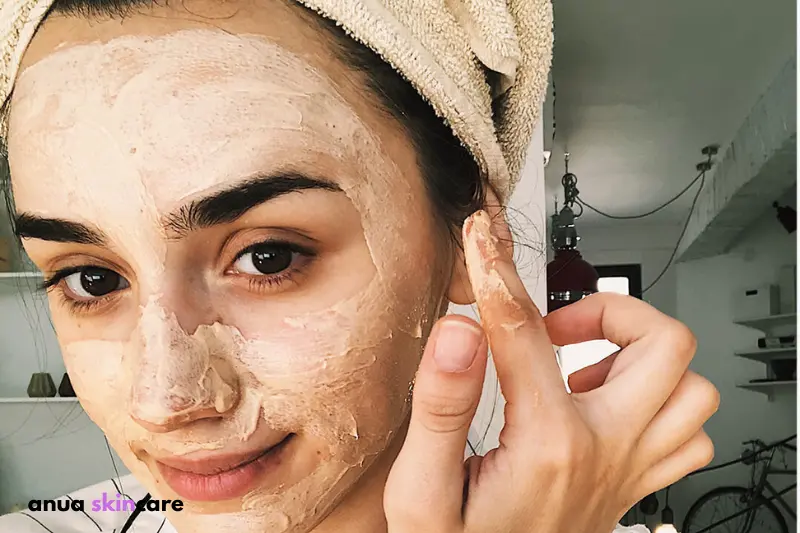
One of the biggest appeals of a nature skin mask is the ability to create it at home with simple, natural ingredients. DIY and homemade face masks have grown in popularity because they allow people to take control of their skincare routines without relying on expensive products or harsh chemicals. By combining everyday kitchen staples and botanicals, you can craft treatments that rival professional products while being safe, affordable, and eco-friendly.
diy face mask for acne
Acne is one of the most common skin concerns, and natural remedies often provide excellent results without side effects. A mix of turmeric, honey, and yogurt creates a soothing antibacterial blend that reduces redness and fights breakouts. Adding a drop of tea tree oil enhances its effectiveness, turning this into a powerful homemade face mask for acne.
homemade face mask for glowing skin and acne
For those looking to tackle acne while also achieving a radiant complexion, a combination of green tea, lemon juice, and honey works beautifully. The antioxidants in green tea fight inflammation, lemon brightens, and honey nourishes. This natural facial mask not only clears blemishes but also restores glow.
homemade face mask for clear skin
A paste made from bentonite clay, rose water, and aloe vera gel is a reliable recipe for clearer skin. The clay detoxifies, rose water tones, and aloe vera soothes, creating a balanced botanical skincare mask that leaves skin looking refreshed and pure.
homemade face mask for acne (sensitive skin version)
Those with sensitive skin can benefit from a gentler option. A mix of oatmeal, cucumber juice, and honey acts as a gentle skin care treatment, calming irritation while reducing breakouts. This chemical-free mask is mild yet effective for maintaining skin balance.
natural face mask for hydration
If dryness is the main concern, mashing ripe avocado with yogurt and olive oil makes a rich, hydrating organic mask. Packed with healthy fats, antioxidants, and vitamins, this plant-based mask deeply moisturizes and revives tired, flaky skin.
The beauty of these homemade skincare solutions is their flexibility. Ingredients can be swapped or adjusted depending on availability and personal needs. Unlike commercial products, which often target one issue, DIY masks can be tailored to address multiple concerns—whether it’s acne, dullness, or dehydration. They also ensure that what you put on your face is free from synthetic chemicals, aligning perfectly with the growing demand for eco-friendly skincare.
types of nature skin masks
A nature skin mask isn’t one-size-fits-all. Depending on your skin type and goals, you can choose from a variety of masks that use different natural ingredients to address specific concerns. This variety is what makes natural skincare so appealing—it’s customizable, safe, and rooted in the healing properties of plants and minerals. Here are some of the most common types of natural face masks used in holistic beauty routines.
herbal face mask
Herbs like neem, basil, and chamomile have been used for centuries in skincare. A herbal face mask blends these botanicals into a soothing formula that treats acne, reduces redness, and nourishes the skin. Rich in natural healing properties, these masks are ideal for people seeking gentle yet powerful solutions.
organic skin mask
Made from ingredients grown without pesticides or chemicals, an organic skin mask prioritizes purity and skin safety. Ingredients like organic honey, aloe vera, and avocado deliver hydration and nutrients while supporting an organic skincare routine.
natural facial mask for acne-prone skin
These masks focus on antibacterial and anti-inflammatory ingredients such as turmeric, tea tree oil, and clay. A natural facial mask for acne helps regulate oil production and prevent future breakouts while being far less harsh than commercial treatments.
plant-based mask
A plant-based mask uses extracts from fruits, vegetables, and herbs—like papaya, cucumber, or green tea. These formulas often act as antioxidant-rich masks, fighting free radicals and enhancing the skin’s natural glow.
botanical skincare mask
Botanical blends combine multiple plant extracts into one mask, offering benefits like detoxification, hydration, and rejuvenation. For example, a mix of rose, lavender, and calendula creates a soothing natural mask that works well for sensitive complexions.
hydrating organic mask
Dryness is a common concern, and a hydrating organic mask often relies on avocado, yogurt, or shea butter to replenish lost moisture. These masks act as gentle skin care treatments, repairing the skin barrier and leaving the face soft and nourished.
natural beauty mask for radiance
When dullness or uneven tone is the issue, a natural beauty mask made with lemon, honey, or papaya gently exfoliates and brightens. These are perfect for those looking for a homemade face mask for glowing skin and acne, since they combine both clarifying and radiance-boosting properties.
natural detox mask
Clay, activated charcoal, and herbal blends are used in natural detox masks to pull out impurities and clear clogged pores. This type is especially beneficial for those exposed to pollution and toxins daily.
Each type of nature skin mask offers unique benefits, but what ties them all together is their reliance on natural ingredients for skin health. By choosing the right type for your needs, you can enjoy targeted results without compromising your skin’s long-term wellness.
how to use nature skin masks effectively
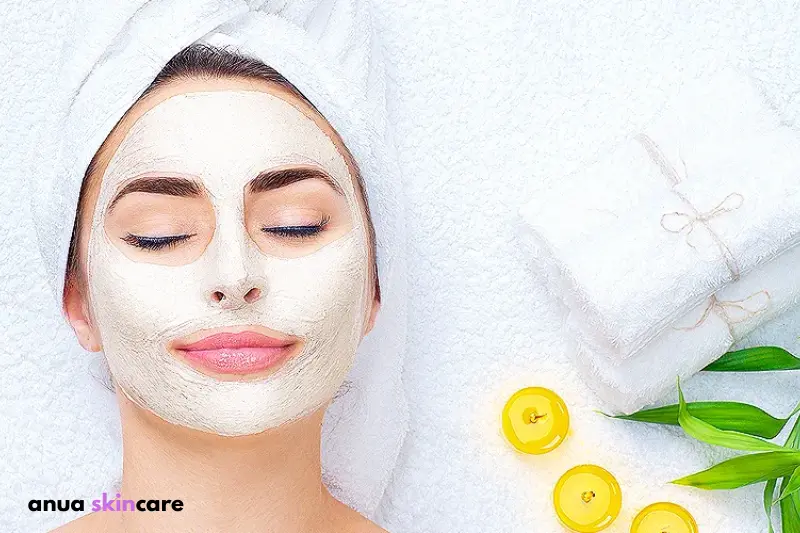
Knowing how to apply a nature skin mask properly can make all the difference in achieving visible results. While natural ingredients are gentle compared to chemical-heavy alternatives, they still require the right approach to maximize their benefits. Here’s a complete guide to using natural facial masks, herbal face masks, and DIY skin masks effectively.
prepare your skin
Before applying any mask, start with a clean face. Wash with a mild cleanser to remove dirt, oil, and makeup. This ensures that the active compounds in a plant-based mask or botanical skincare mask can penetrate effectively instead of sitting on top of impurities.
apply evenly
Use clean hands or a soft brush to spread the mask in a thin, even layer. Avoid the delicate eye and lip areas, as these can be more sensitive. An even coat ensures consistent results, whether you’re using a hydrating organic mask or a natural detox mask.
follow the right duration
Leaving a mask on too long can cause irritation, especially if it contains strong natural exfoliants like lemon or turmeric. For most homemade skincare solutions, 10–20 minutes is ideal. Clay-based homemade face masks for clear skin may be left until slightly dry, but avoid letting them crack fully, as that can dehydrate the skin.
rinse gently
Always use lukewarm water to wash off the mask. Harsh scrubbing can undo the calming and soothing benefits of a soothing natural mask. A soft washcloth can help remove stubborn residue without damaging the skin.
moisturize after masking
After rinsing, apply a gentle moisturizer to lock in hydration. This step is especially important if you’ve used a natural detox mask or any formula with clay, as these can strip oils from the skin. Pairing the mask with a lightweight, organic cream enhances long-term benefits.
frequency of use
Not all masks are suitable for daily use. A homemade face mask for acne might be used 2–3 times per week, while deeply hydrating or gentle skin care treatments can be used more frequently. Tailor usage to your skin type and the ingredients involved.
avoid common mistakes
- Don’t mix too many ingredients at once, as it can reduce effectiveness.
- Avoid applying on broken or irritated skin unless specifically designed for soothing.
- Perform a patch test for new ingredients to prevent allergic reactions.
Using a nature skin mask the right way ensures you gain all the intended benefits—hydration, detoxification, acne relief, or radiance—while keeping the skin balanced and healthy. With consistency and care, natural masks can become a cornerstone of your organic skincare routine.
skincare routine integration
A nature skin mask works best when it’s not treated as a one-time fix but as part of a balanced skincare routine. Just as cleansing, toning, and moisturizing are essential steps, incorporating natural facial masks into your regimen ensures long-term results. Here’s how to integrate them effectively:
weekly treatment plan
Most people benefit from using a herbal face mask or homemade skin mask two to three times a week. Overusing can lead to dryness, while underusing may not provide consistent results. For oily or acne-prone skin, clay-based or natural detox masks should be spaced out to avoid irritation.
pairing with daily skincare
Masks complement daily products like cleansers, toners, and moisturizers. For instance, after using a DIY skin mask rich in hydrating ingredients, follow up with a lightweight organic moisturizer to seal in hydration. A gentle skin care treatment after exfoliation ensures the skin barrier remains strong.
tailoring to skin needs
- Acne-prone skin: Alternate between a homemade face mask for acne and a soothing natural mask to fight breakouts while reducing redness.
- Dry skin: Incorporate a hydrating organic mask once or twice a week along with your moisturizing cream.
- Dull skin: Use a natural beauty mask containing brightening ingredients like lemon or papaya to restore radiance.
seasonal adjustments
During colder months, skin often needs extra hydration, making plant-based masks with avocado or honey more effective. In warmer months, opt for refreshing blends like cucumber or aloe vera to soothe and cool.
holistic skincare approach
A botanical skincare mask should not be seen in isolation. It’s part of a bigger picture that includes sun protection, a healthy diet, and stress management. Natural skincare works hand-in-hand with lifestyle choices, ensuring beauty routines are both effective and sustainable.
By fitting nature skin masks seamlessly into your skincare plan, you create a system that not only addresses immediate issues like acne or dryness but also builds long-term resilience. This approach makes your organic skincare routine more complete, balanced, and eco-friendly.
nature skin mask vs commercial face masks
When it comes to skincare, one of the biggest decisions people face is choosing between natural and commercial products. A nature skin mask offers simplicity and purity, while commercial face masks often promise quick results with complex formulations. Comparing the two reveals why more people are leaning toward natural, eco-friendly skincare.
ingredients
- Nature skin masks use raw, unprocessed elements like honey, aloe vera, clay, and herbal extracts. These are chemical-free, making them safer for long-term use.
- Commercial masks, on the other hand, often contain artificial fragrances, preservatives, and synthetic compounds that can irritate sensitive skin or cause long-term damage.
effectiveness
- A natural beauty mask delivers gradual, sustainable results by nourishing and supporting skin health from within. For example, a plant-based mask rich in antioxidants strengthens the skin barrier.
- Commercial masks may give instant effects—like temporary brightness or pore tightening—but these often fade quickly and don’t address the root of skin concerns.
customization
- With homemade skincare solutions, you can tailor a DIY skin mask to your unique needs—acne, hydration, or glow—by adjusting ingredients.
- Commercial masks come in fixed formulations, limiting flexibility and sometimes failing to suit every skin type.
cost and accessibility
- A homemade skin mask is affordable and made with ingredients often already found in the kitchen.
- Commercial masks can be costly, especially premium brands, and may contain fillers that don’t justify the price.
eco-friendly approach
- Botanical skincare masks and DIY options create less packaging waste and reduce reliance on chemical manufacturing, making them environmentally friendly.
- Commercial masks frequently use single-use plastic packaging and non-biodegradable components, contributing to pollution.
safety and skin compatibility
- A soothing natural mask is generally safe for sensitive skin, provided you do a patch test.
- Commercial masks often include parabens, sulfates, and silicones that may trigger allergies or worsen existing issues.
In summary, while commercial masks may deliver quick fixes, nature skin masks focus on long-term skin health, sustainability, and gentleness. Choosing natural means embracing products that not only care for your skin but also align with a holistic, eco-conscious lifestyle.
Faqs
what is a nature skin mask and how is it different from regular masks?
A nature skin mask is made with natural ingredients such as herbs, clays, honey, aloe vera, or plant extracts. Unlike regular commercial masks, which often contain synthetic preservatives, fragrances, and chemical agents, a natural mask relies on pure, chemical-free compounds to nourish the skin. This makes it safer, gentler, and more sustainable, especially for sensitive skin types.
can a diy face mask for acne really work?
Yes, a diy face mask for acne can be highly effective. Natural ingredients like turmeric, tea tree oil, honey, and clay have antibacterial and anti-inflammatory properties that help reduce breakouts. While results may take time compared to chemical-heavy treatments, these masks work without the side effects of harsh ingredients and are better for long-term skin health.
how often should i use a natural facial mask?
The frequency depends on your skin type and the type of mask. In general, using a natural facial mask two to three times a week is ideal. For oily or acne-prone skin, clay-based natural detox masks can be applied up to twice weekly, while a hydrating organic mask may be suitable more often for dry skin. Overuse should be avoided, as even natural masks can cause irritation if applied too frequently.
are homemade skin masks safe for sensitive skin?
Most homemade skin masks are safe for sensitive skin, especially those made with soothing ingredients like oatmeal, cucumber, and honey. However, patch testing is always recommended before applying a new mask, since even natural compounds can sometimes trigger allergies. Choosing a soothing natural mask with gentle, plant-based ingredients is the best way to minimize risks.
conclusion
Nature skin masks have become more than just a beauty trend—they represent a conscious shift toward healthier, more sustainable skincare. Unlike chemical-based products that can strip the skin of its natural balance, a natural facial mask or herbal face mask works in harmony with the body. By using ingredients sourced directly from nature, such as clays, herbs, fruits, and oils, these treatments provide nourishment, protection, and rejuvenation without unnecessary additives.
What makes a nature skin mask stand out is its versatility. People with acne-prone skin can turn to DIY face masks for acne, while those seeking radiance can enjoy a homemade face mask for glowing skin and acne. Dry or sensitive complexions benefit from soothing remedies made with honey, aloe vera, and oats. Because these masks are customizable, they allow individuals to address their unique skin concerns with confidence and care.
Beyond immediate results like refreshed and hydrated skin, the long-term benefits are equally powerful. Consistent use of organic skin masks can improve skin texture, reduce dullness, and protect against environmental damage. When integrated into an organic skincare routine, they promote not only outer beauty but also holistic well-being, as you avoid harsh chemicals and embrace eco-friendly practices.
The growing popularity of homemade skincare solutions highlights how people are becoming more mindful of what they put on their skin. In a world where synthetic products dominate the shelves, turning back to nature feels both refreshing and necessary. Choosing a plant-based mask or antioxidant-rich mask isn’t just about achieving a glowing complexion—it’s about making choices that respect your skin and the environment.
In the end, a nature skin mask is more than a treatment; it’s a lifestyle choice. By embracing natural, herbal, and organic solutions, you not only enhance your skin’s health but also take a step toward sustainable self-care. Whether your goal is clearer skin, hydration, or simply a mindful beauty routine, the answer may already be growing in your garden or sitting in your kitchen. With patience and consistency, these gentle remedies can deliver lasting beauty, proving that sometimes, nature truly knows best.